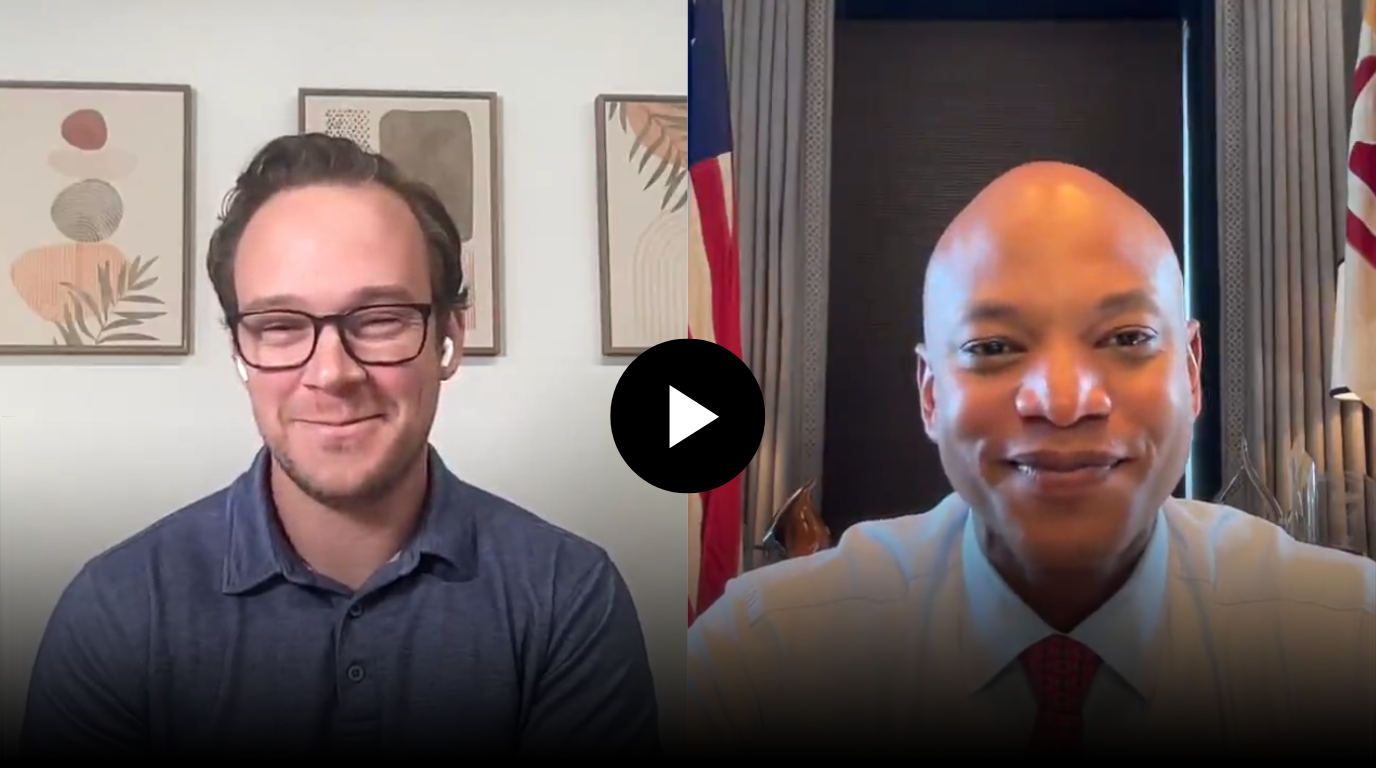
Maryland utility bills are up more than 15% in a year. Governor Wes Moore joins us to talk about his push with PJM, holding data centers accountable, and keeping Maryland's offshore wind projects alive.
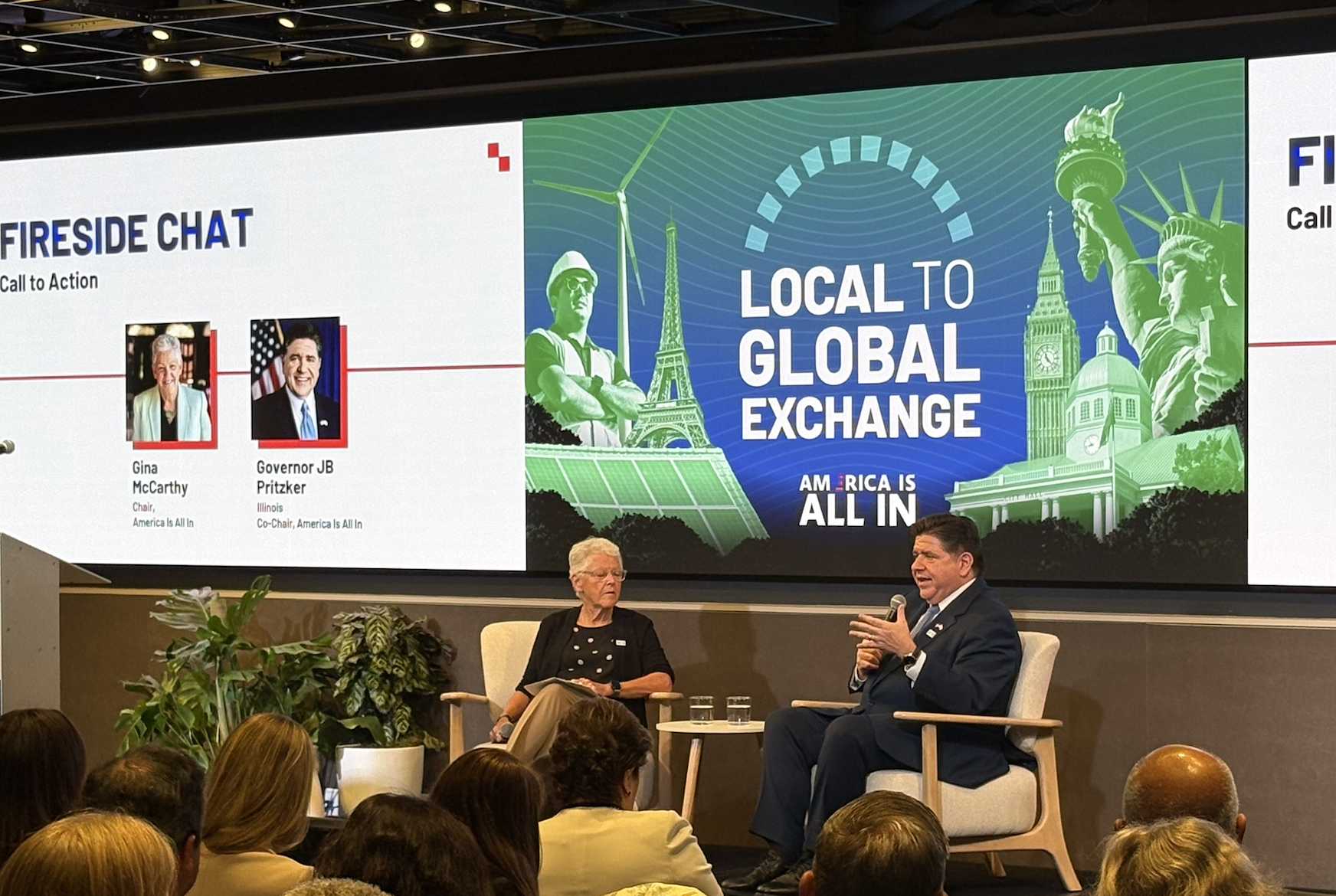
Picked up pieces on permitting reform, the Senate map, Newsom and Pritzker at Climate Week, and Josh Siegel's move to Punchbowl.
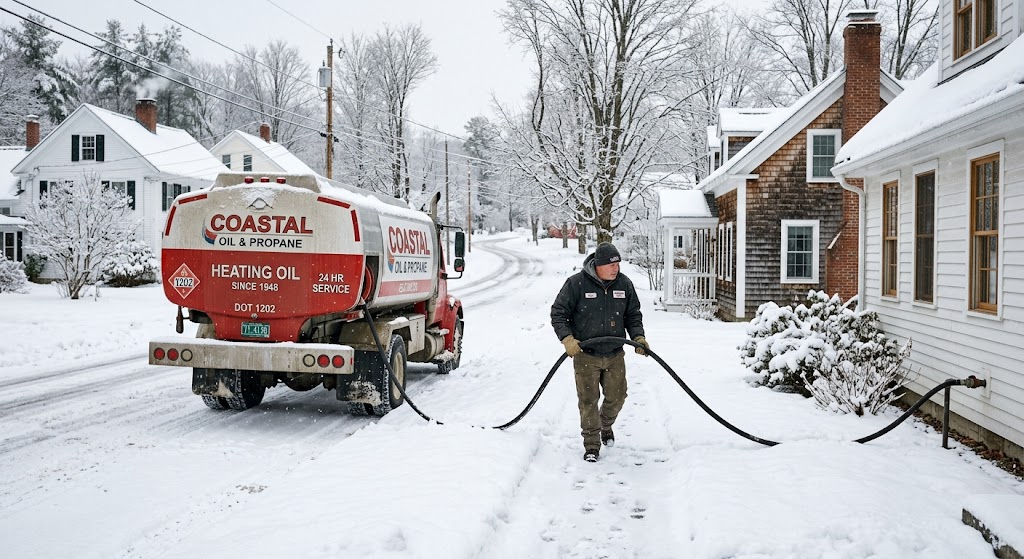
Utility bills are rising nationwide, and renters have the fewest options to fight back against costs hitting red and blue states alike.
Chris Moyer, the president of the clean energy-focused Echo Communications, who is not affiliated with the ITC PAC, said the group is “kind of playing the bad cop to the trade associations’ good cop.”
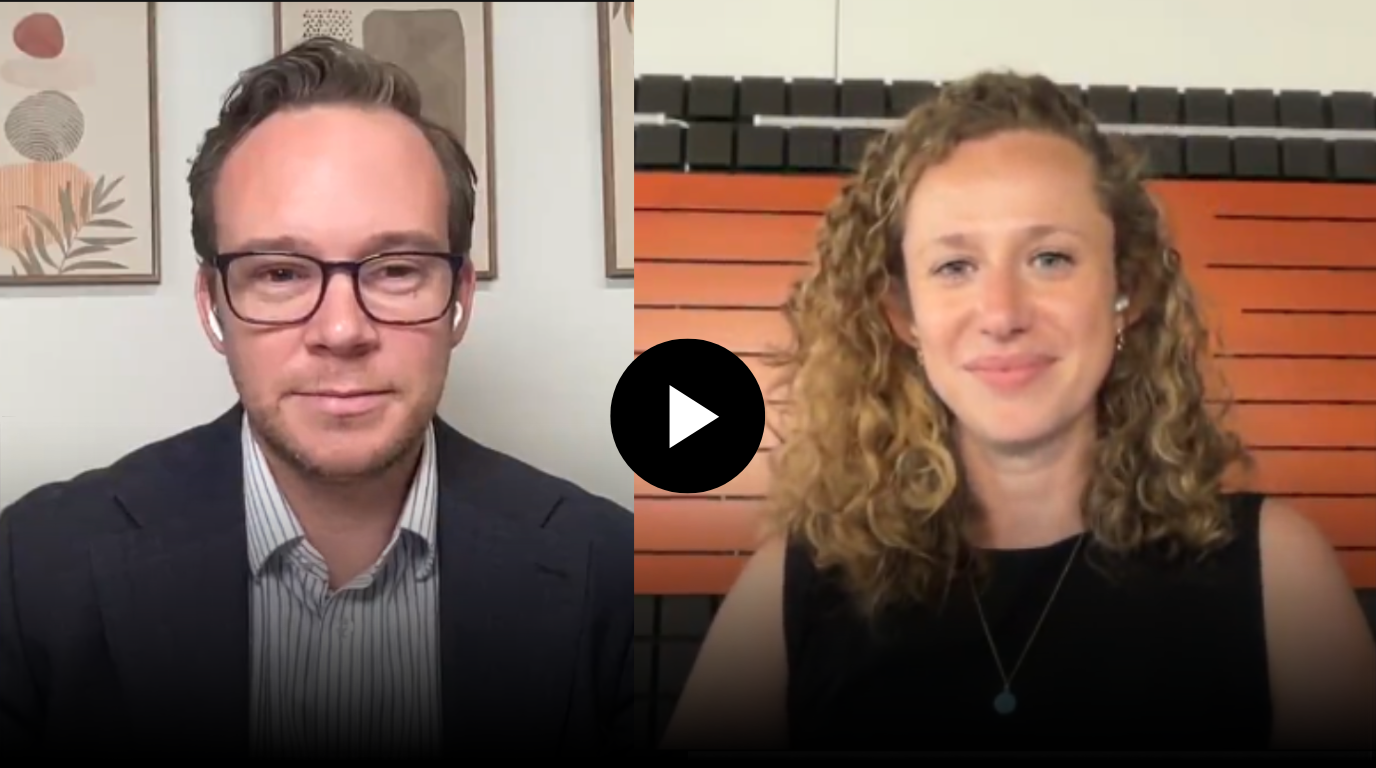
Echo's new VP Ella Nilsen spent five years covering climate and energy at CNN. She talks with Chris Moyer about her move into public affairs, why energy affordability has become a defining political issue, and what clean energy leaders get wrong when they stop telling their own story.
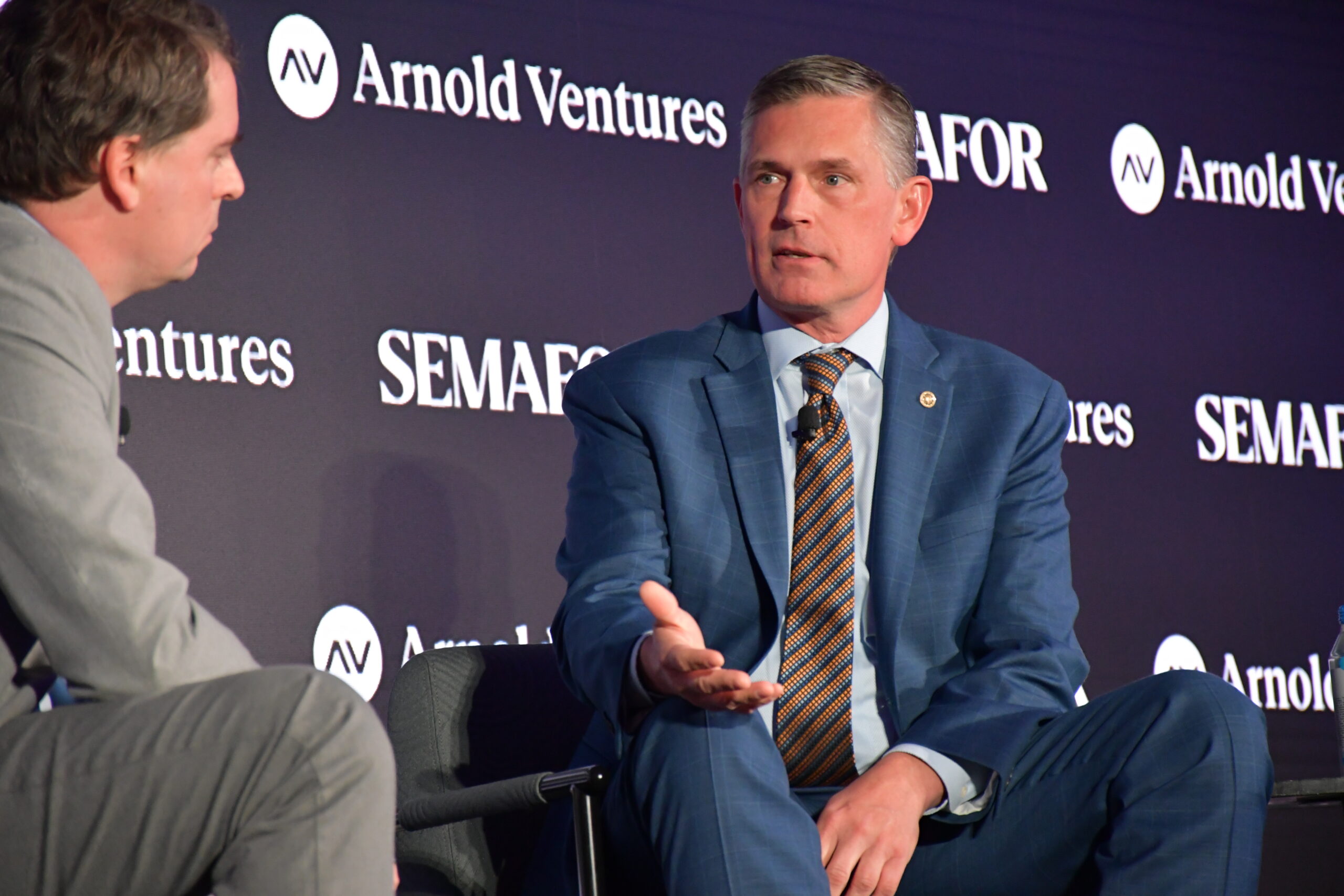
Martin Heinrich already leads Senate Democrats on energy policy. Now that New Mexico is voting fourth in the 2028 presidential primary, his influence over clean energy, water and public lands is about to grow even further.
Ella Nilsen recently left CNN's climate desk to join Echo Communications as a Vice President. She talks with Heatmap about the move from journalism to clean energy PR.

Echo Communications Advisors welcomes Ella Nilsen, former CNN energy reporter, as Vice President, expanding the firm's clean energy and climate practice.
Qcells is betting $2.5 billion on a new Georgia factory to bring solar manufacturing home. VP Scott Moskowitz on building a domestic supply chain and what the industry is fighting for now that the IRA tax credits are largely gone.
As electricity demand surges and states respond with moratoriums, rate classes, and consumption taxes, the fight over data centers is really a fight over whether clean energy wins the AI buildout.
Geothermal has the technology and the demand. What it's missing is a clear path to financing the early, expensive step of proving a site actually works. Mike O'Connor, director of the newly formed Mountain West Geothermal Consortium, explains why that early testing phase is the industry's biggest hurdle, and what the four-state consortium is doing about it.
CEBA CEO Rich Powell on a new $121.2 billion ratepayer cost study, why permitting reform is the single biggest fix for energy prices, and what's driving a record year for corporate clean energy buying.
Tom Matzzie, CEO of CleanChoice Energy, discusses how the Invest in Tomorrow Coalition PAC spent $1.1 million to defeat Representative Chip Roy in a Texas Republican primary — and why $100 million in political firepower may be what the clean energy industry needs to survive.

E&E News quoted Echo Founder and President Chris Moyer on how the clean energy industry is engaging in electoral campaigns.
Chip Roy, the ardent anti-clean energy attorney general candidate — better known in Washington as a House Freedom Caucus leader — looked like a shoo-in for Texas’ top law enforcement job. Fast forward three months, and Roy’s political career is over
Shifting tides of clean energy politics, from Tim Pawlenty’s new leadership at SEIA to the urgent need for the industry to build the political power necessary to survive a post-tax-credit environment.
As she campaigns for Michigan's U.S. Senate seat, Mallory McMorrow spoke with us about energy affordability, data centers and…her previous career designing Hot Wheels.

Picked-up pieces on CERAWeek, permitting reform, the president’s DOA budget, Democrats’ new messaging legislation, data center developers’ preventable disaster and more.
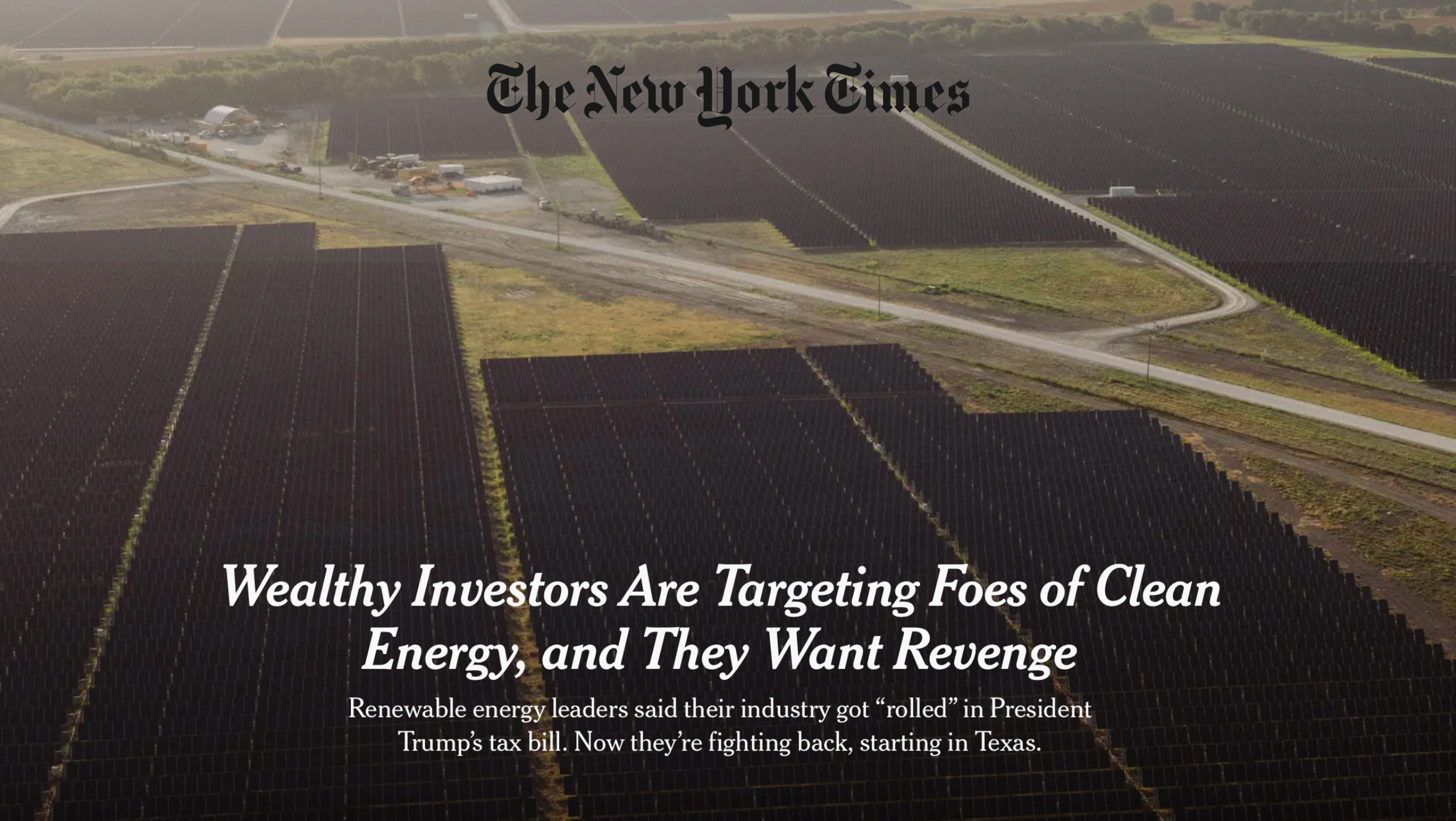
The New York Times featured Echo Founder and President Chris Moyer on how the clean energy industry needs to build power in DC.

The op-ed might be the wrong tool for your goals. Learn why owned media and niche outlets often are the best approaches for real impact.
How Greg Gershuny and Aspen Ideas: Climate are turning summits into action-oriented conferences—bringing together CEOs and inventors to build a practical blueprint for the energy transition.
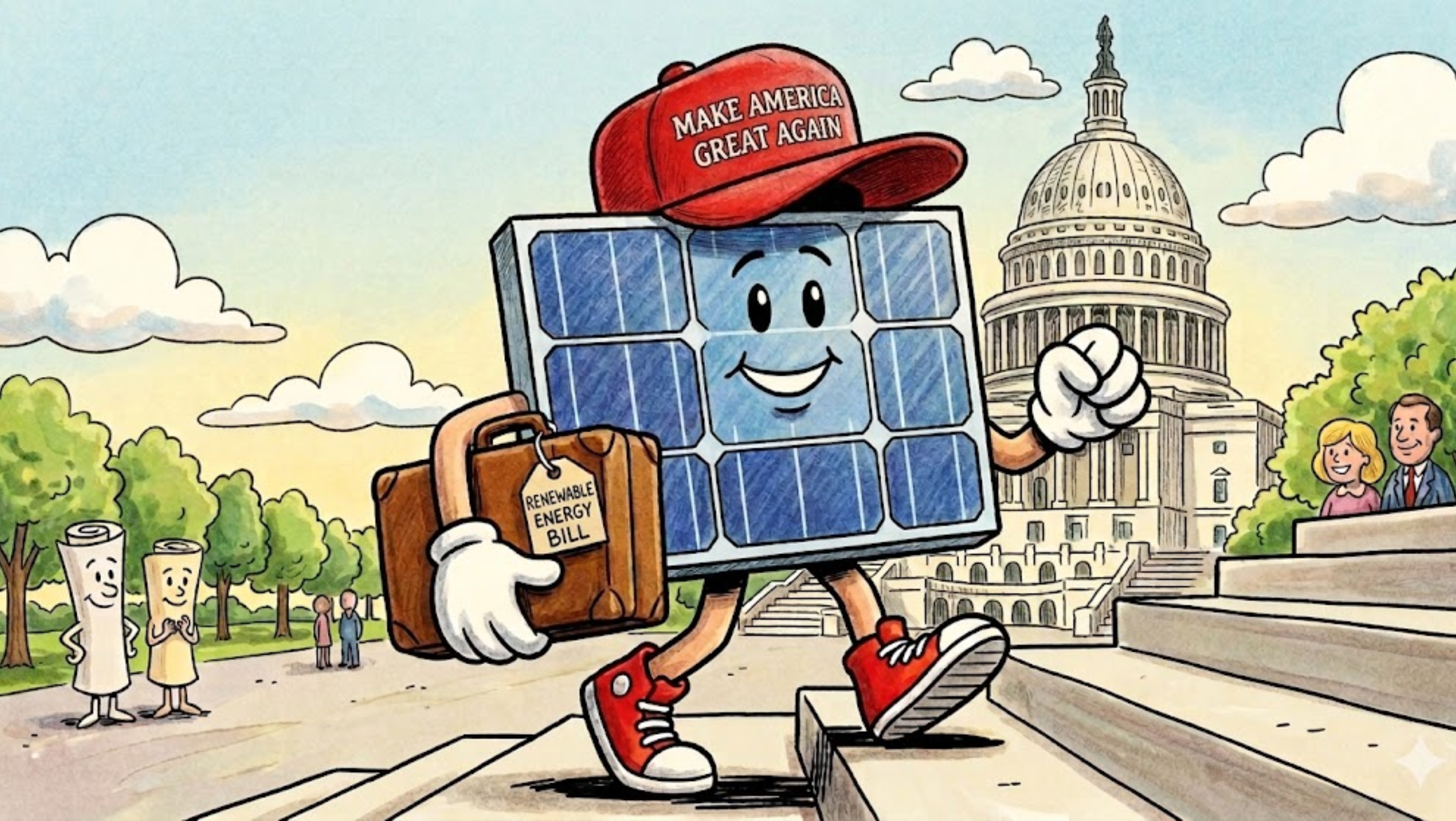
The clean energy industry is learning that who delivers your message matters as much as what you're saying—and it took a stinging legislative defeat to make it click.

Stop treating PR like a retail transaction. Learn why "paying for placement" fails and how authentic reporter relationships actually build credibility.

City First Enterprises CEO Oswaldo Acosta explains how climate finance is shifting and what CDFIs must do to adapt, deploy capital efficiently, and stay resilient.
Axios features a new report from Echo Communications Advisors naming Florida a top energy affordability battleground state for 2026. As utility costs and data center growth surge, energy messaging is set to define key races for Governor and U.S. Senate.

The OBBBA stripped $173 billion from clean energy tax credits to fund ICE operations, forcing voters to pay higher utility bills to subsidize a paramilitary deportation machine.

Maine Beer Company co-founder Dan Kleban on why clean energy is a pocketbook issue and a win for local jobs.

E&E News highlights a new Echo Communications Advisors report identifying 10 battleground states where energy affordability could shape the 2026 midterm elections.

Aliya Haq explains why winning on climate means building clean energy faster, modernizing the grid, and making affordability the central goal of climate policy.
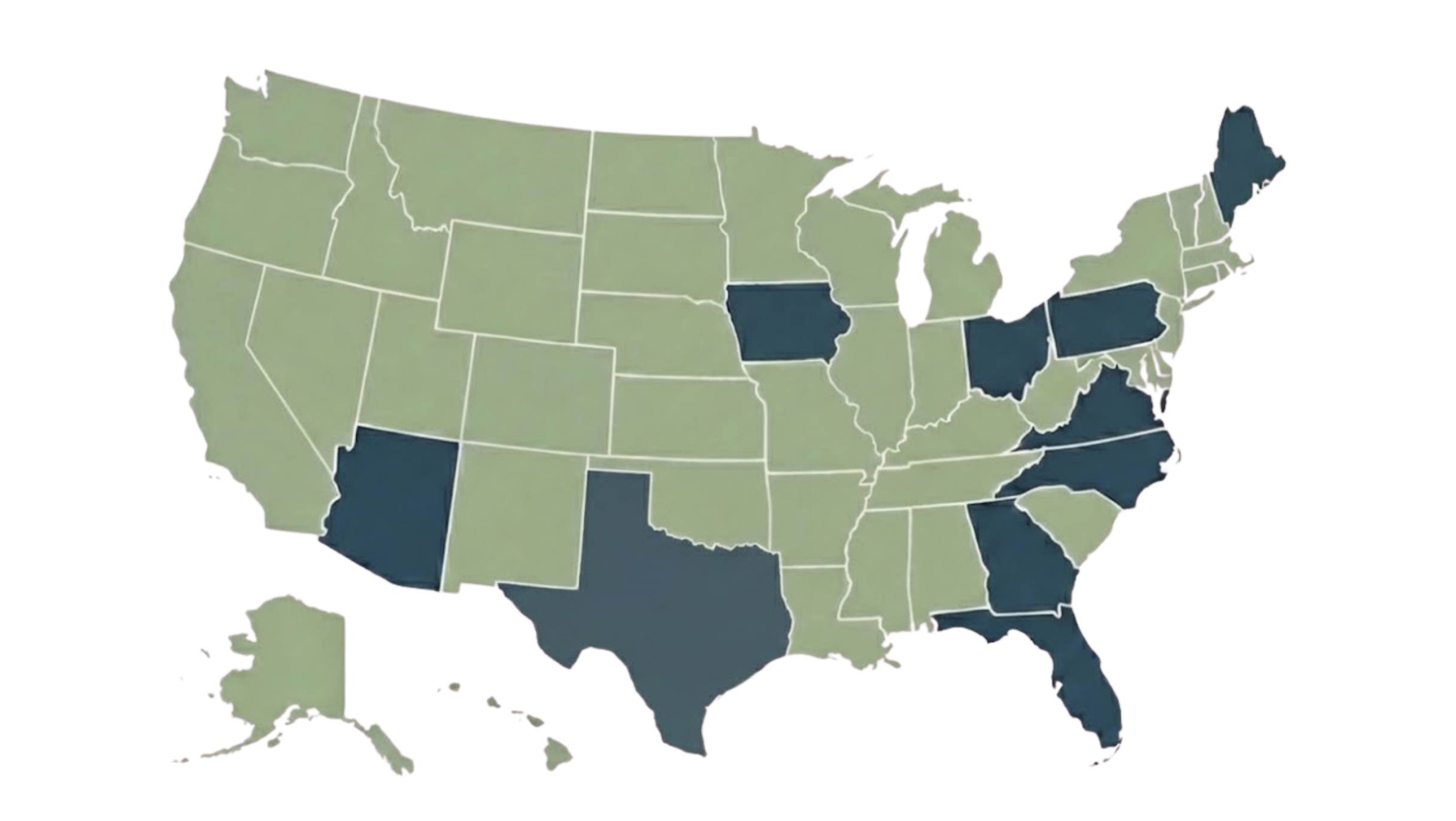
As the 2026 midterms approach, energy affordability has become a top voter issue. This report highlights 10 battleground states where rising electricity bills and data center growth could shape control of Congress and key governorships.

Join Echo Communications Advisors for a 60-minute virtual Media Training Workshop designed for clean energy and climate leaders who want to speak with clarity and confidence.
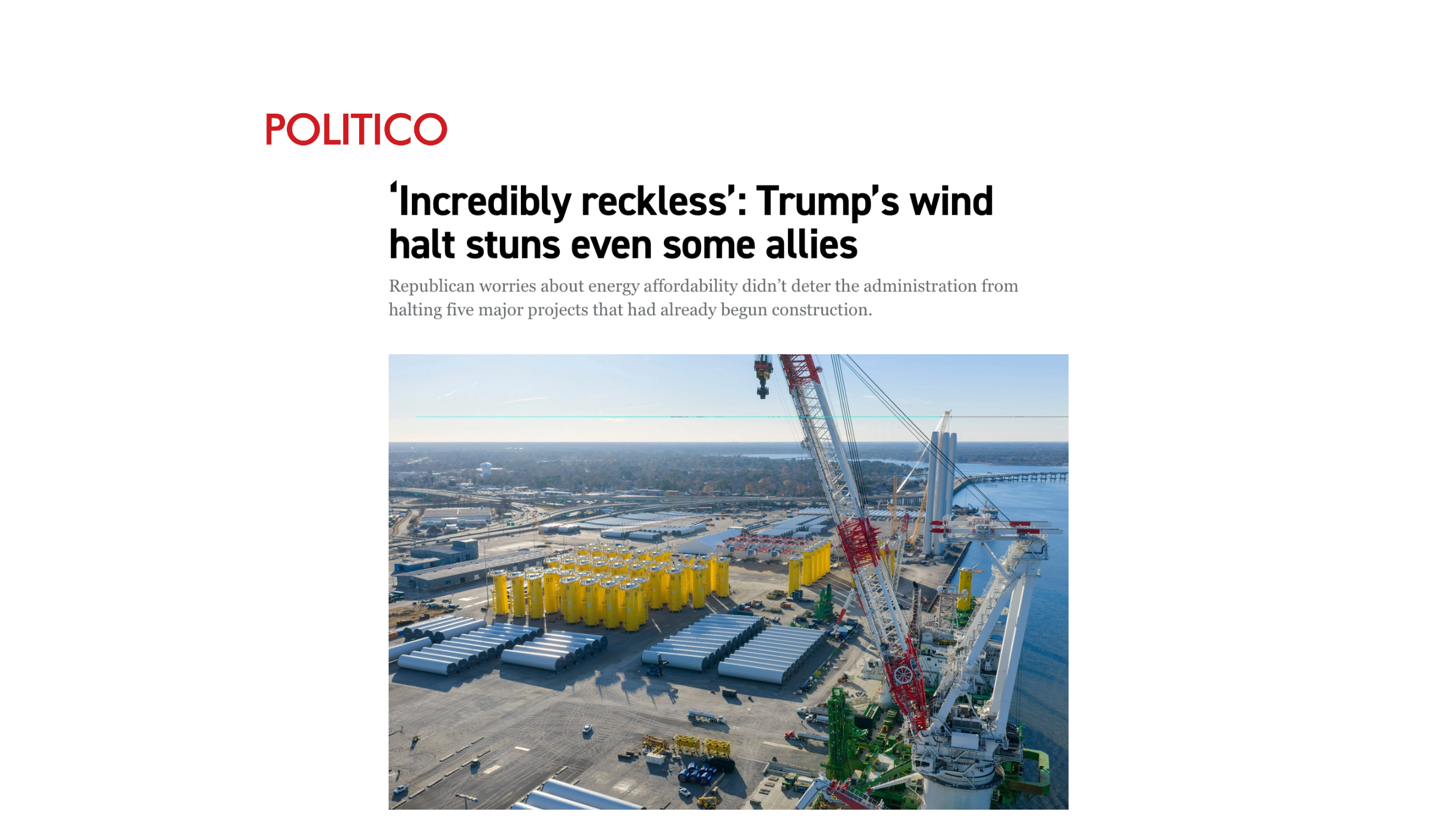
Chris Moyer was featured in POLITICO on how Democrats’ focus on energy affordability is influencing their approach to permitting reform ahead of the midterms

From the AI–energy nexus to an unexpected global shortage of geologists, Latitude Media founding reporter Maeve Allsup talks about the stories shaping climate tech—and how smart pitches can stand out.
Permitting reform gains momentum, but a shrinking GOP majority and looming retirements put the SPEED Act’s progress at risk.
Albert Gore, executive director at the Zero Emission Transportation Association, lays out the trends shaping the next phase of EV adoption and how better charging, clearer visibility, and growing awareness of everyday benefits are pushing the market forward.

With the 2025 elections behind us, it’s never too early to look ahead to the 2028 presidential primaries.

Louise White, former DOE official, discusses her recent report on federal clean energy implementation, highlighting key findings on risk management, pre-planning, and due diligence.

Democrats' election success, achieved by focusing on affordability and high energy prices, delivers a powerful lesson to the clean energy industry.

Nat Keohane, president of C2ES, discusses how shifting economics, new technologies, and bipartisan priorities are reshaping U.S. climate action and calls for renewed international cooperation ahead of this month’s COP.

Chris Moyer tells Fox News that Democrats’ focus on affordability drove their 2025 election victories and offers a nationwide playbook.

Dan Crawford, senior vice president at Echo Communications Advisors, was featured in Heatmap News on how energy prices became a defining issue in New Jersey’s gubernatorial race—and how Governor-elect Mikie Sherrill turned a potential vulnerability into a winning message.

Bill Gates isn’t abandoning climate action—he’s redefining it. His new memo calls for focusing less on near-term emissions and more on human welfare in a warming world.

Colorado Energy Office Director Will Toor shares how the state is staying ahead on clean energy—from expanding EV incentives for working families to ensuring renewable projects keep moving despite shifting federal policy.

Colorado Energy Office Director Will Toor shares how the state is staying ahead on clean energy—from expanding EV incentives for working families to ensuring renewable projects keep moving despite shifting federal policy.
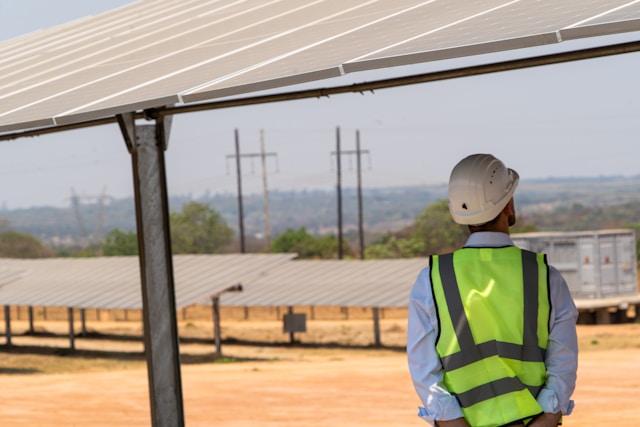
Smaller clean energy developers are struggling under the One Big Beautiful Bill Act, while larger firms consolidate. This shift could give the industry the political power it has long lacked.

We spoke with Congressman Scott Peters about why the U.S. is falling behind on transmission, how environmental trade-offs are necessary to get clean energy built, and the messaging that resonates with voters in frontline districts.
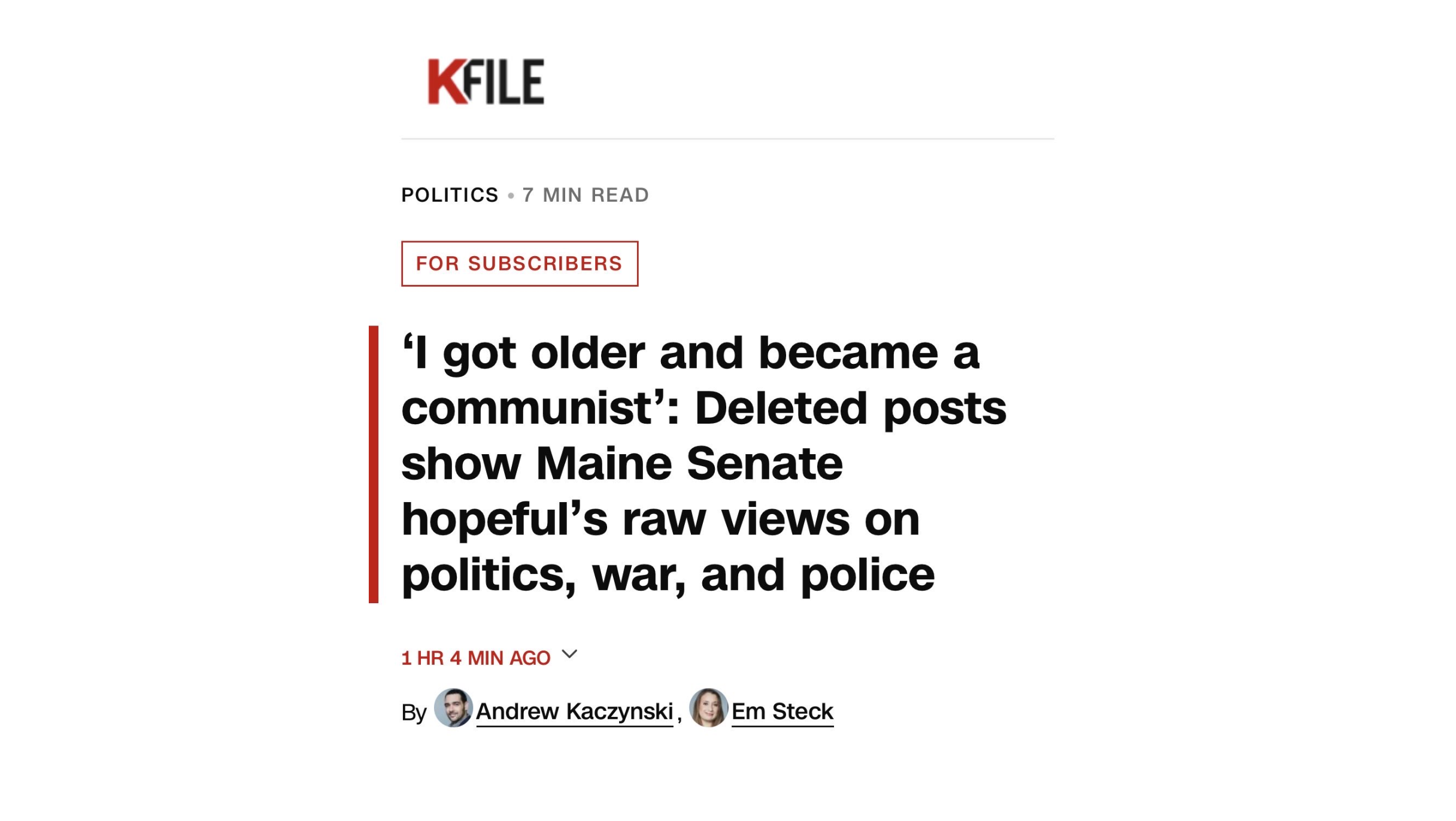
Old online posts can spark big PR headaches. Three key lessons for leaders on preparing, responding, and managing a communications crisis.

Congressman Sean Casten (D-IL) joined us in the Echo Chamber to share his take on energy policy, permitting reform, market-driven climate solutions, and a surprising high school story.

Katie Porter’s viral interview is blowing up for all the wrong reasons. Here’s what every candidate—or anyone doing interviews—can learn from her mistakes.

Should we even call it “Climate Week” anymore? As Trump’s power grows, Democrats and green groups face a stark choice: stick to old climate rhetoric or adapt messaging to win elections. Chris Moyer argues that framing clean energy around affordability—not existential alarm—is the only way forward.

Morgan and Dan reflect on Climate Week in NYC, sharing key insights on AI, geothermal energy, and the role of communication in driving the clean energy transition.

Scott joined us in the Echo Chamber and told us about his brief internship in outdoor education courses during the summer of ‘99 inspired a deep love of public lands and conservation.

Our team is heading to Climate Week NYC to explore how storytelling, finance, and communications can drive climate solutions and scale impact.

Mary King of Aligned Climate Capital reveals how she spotted the financial potential in climate early and invests in technologies driving decarbonization.

It wasn’t politics that brought her to climate, it was climate that pushed her into politics, transforming a scientist into a strategist. Today we’re featuring Angela Barranco, Executive Director of Climate Group North America, where she oversees the fast approaching Climate Week NYC, the world’s largest private climate gathering, bringing together unexpected allies and bold ideas to move the climate agenda forward.

This episode underscores how aggressive messaging can sway decisionmakers on consequential, multi-billion-dollar issues. A sharp communications strategy can help to deliver outcomes few expect. That has certainly been true for Zeldin. Many assumed he was simply posturing for his boss, with little chance of influencing the courts.

He’s gone from launching tech startups in the Bay Area to creating one of the most widely read climate newsletters in the world.
So it’s no surprise that energy prices are shaping up to be a major factor in the coming elections.

Dan Crawford, senior vice president at Echo Communications Advisors, was featured in Heatmap News on how climate groups are focusing on energy affordability to address rising utility costs
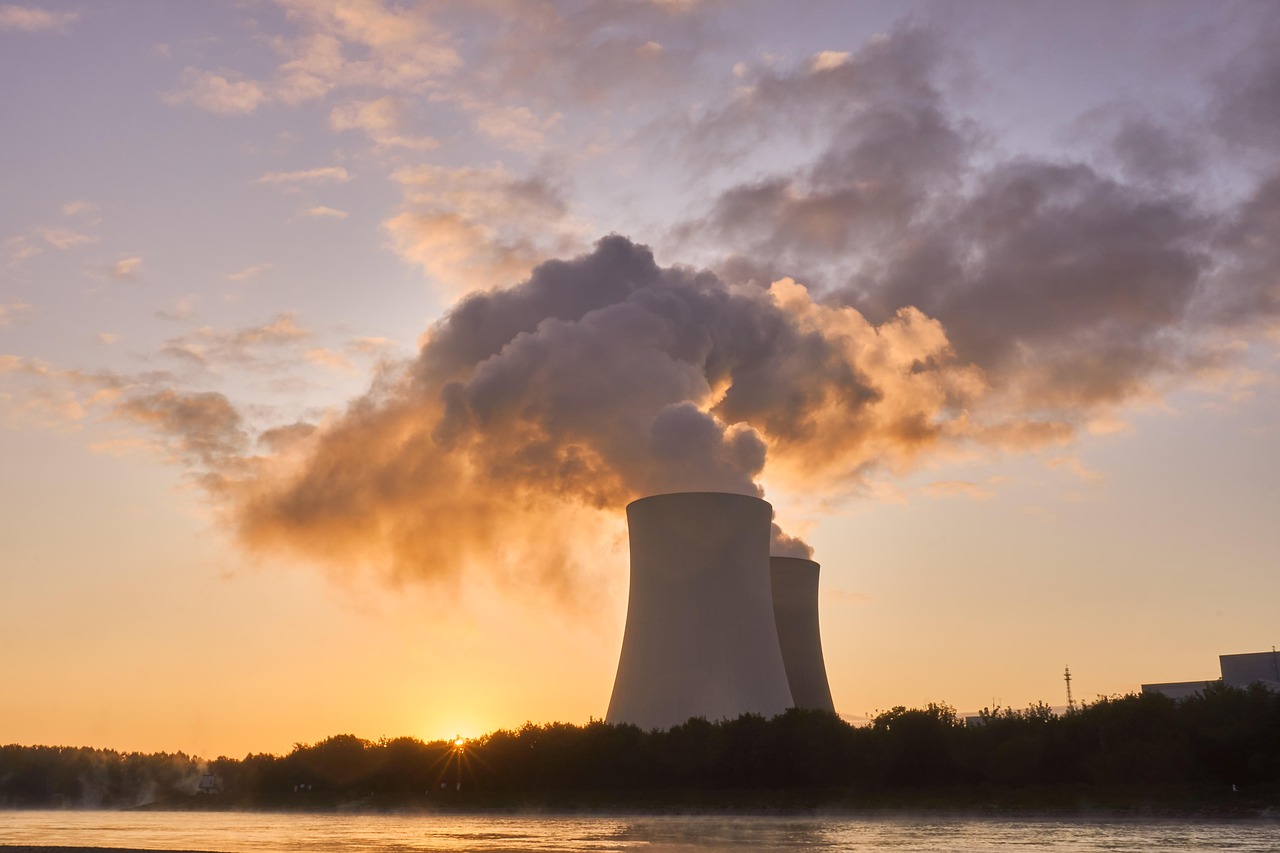
The U.S. nuclear comeback faces a major hurdle: nearly 100,000 tons of spent fuel and no permanent storage solution, as political opposition blocks waste sites.
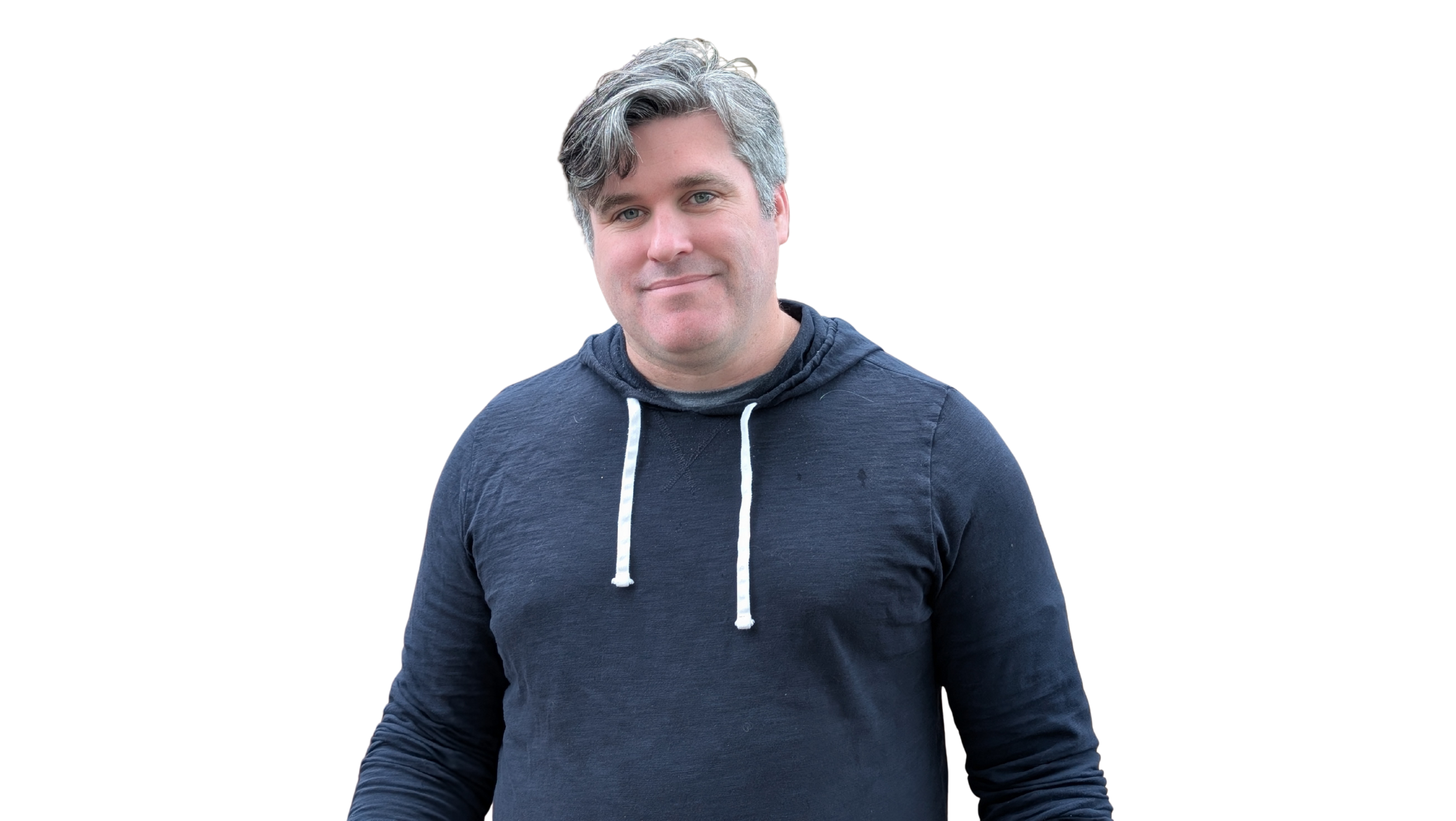
Meet Matt Duffy, founder of TerraSol, a platform helping farmers adopt solar energy. From Coast Guard rescues to data science, he’s driving innovation at the intersection of agriculture and clean energy.

Canary Media’s Jeff St. John brings deep expertise to reporting on clean energy, climate policy, and the technologies driving the energy transition.
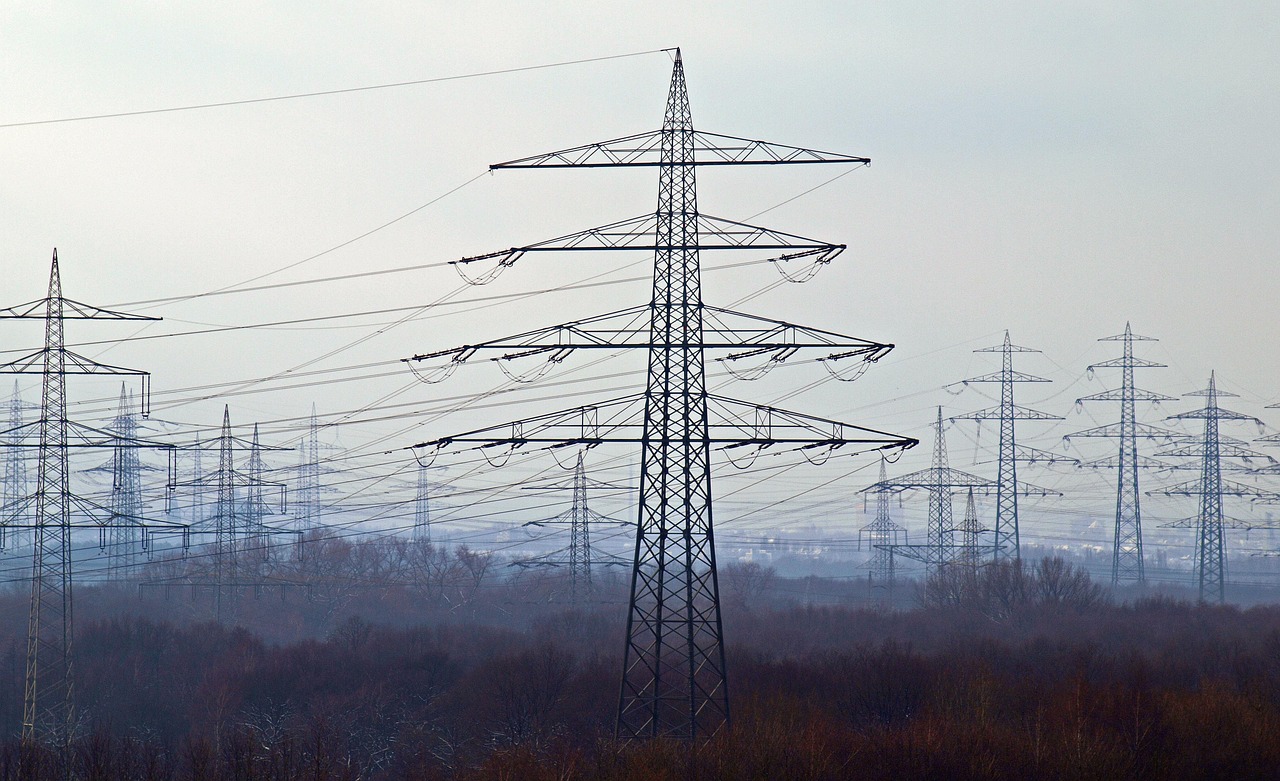
Anyone wondering what role rising utility bills will play in the midterms should look no further than New Jersey, where voters will choose their next governor in just 10 weeks.

After the passage of the One Big Beautiful Bill, we turned to someone who understands why companies must keep pushing for clean energy.

Every member of Congress who voted for the One Big Beautiful Bill should spend now until November 2026 answering for the fact that they voted to raise Americans’ electric bills to pay for tax cuts for millionaires.
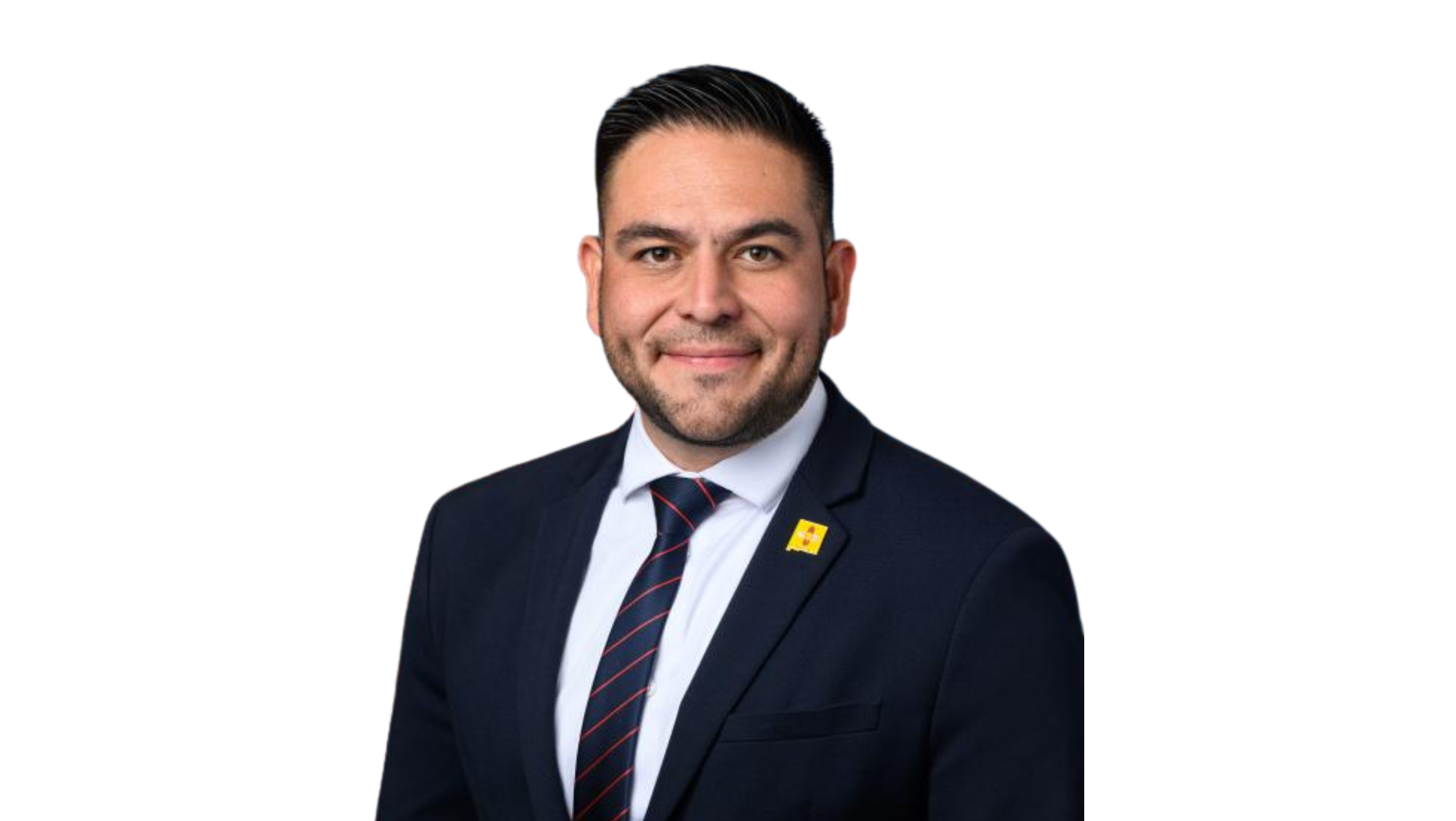
When some in Congress tried to quietly auction off half a million acres of public land to fund tax breaks, a bipartisan group of lawmakers stood firm—and one lawmaker stood out as a leading voice in killing the deal and keeping those lands in public hands.
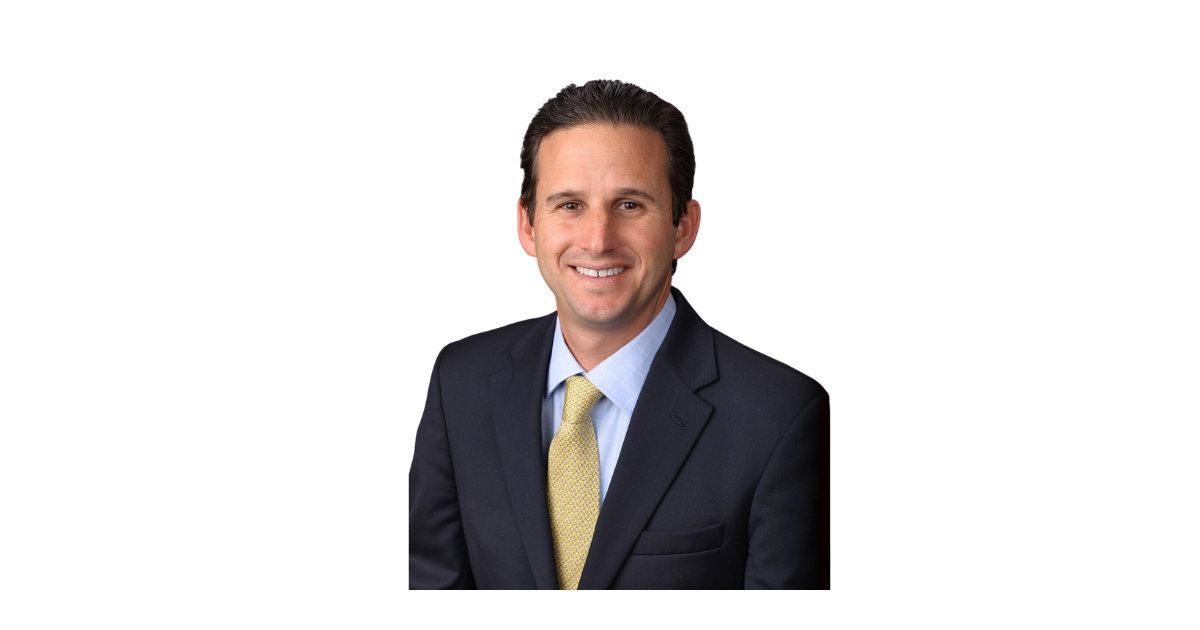
He’s about to be in a position to help shape the communications and policy strategy on climate and clean energy for years to come. That’s very good news.
To prevent another successful attack on the the industry like the One Big Beautiful Bill—and to build the case for swift policy action in the next Congress and administration—clean energy can take action now to build political power.

With the GOP’s megabill now law—gutting key clean energy provisions from the Inflation Reduction Act—we turned to Pete Maysmith, newly named president of the League of Conservation Voters (LCV), to talk about his first few months on the job, and how LCV is preparing for the midterms.
“Framing the issue around utility rates makes the consequences of the tax bill’s energy provisions real and immediate," said Moyer. “It ties rising utility bills directly to the votes of vulnerable Republicans and gives voters a clear picture of who’s to blame every time they open their bill between now and November 2026.”

Chris Moyer, founder and president of Echo Communications Advisors, was quoted in E&E News in a story on efforts to hold members of Congress accountable for voting to dismantle IRA tax credits.
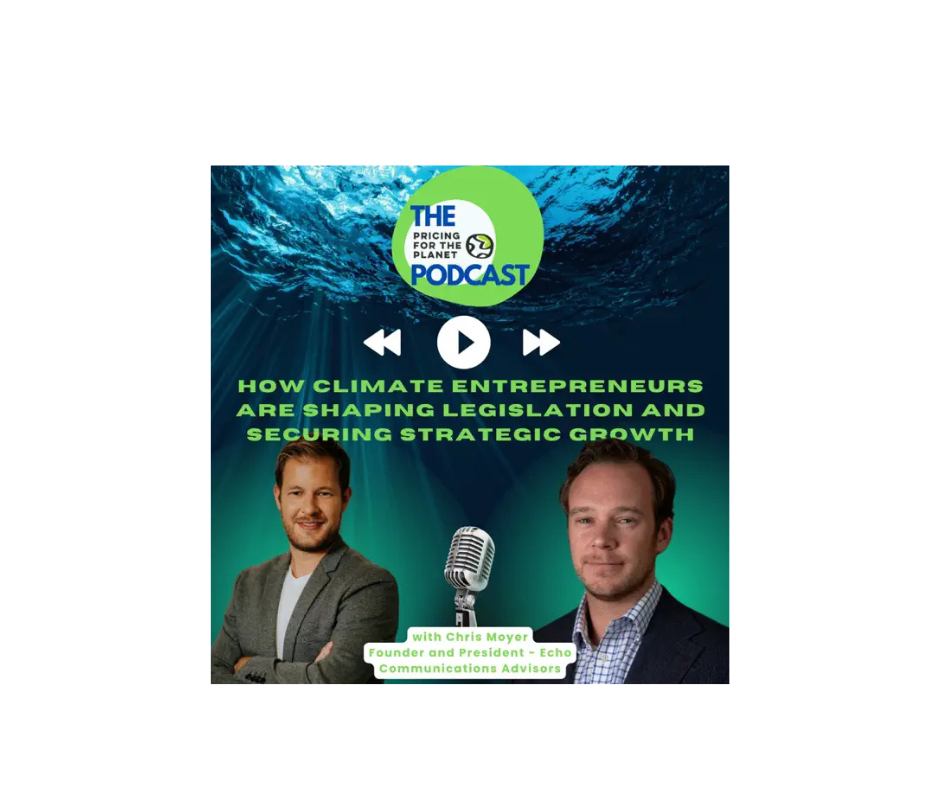
Chris Moyer, founder and president of Echo Communications Advisors, was interviewed by Fabien Cros on the Pricing for the Planet podcast.

“The larger issue is the extreme careening of federal policy in the United States,” said Chris Moyer, the founder of Echo Communications and a former Democratic staffer on Capitol Hill who now advises clean energy companies. “There’s no consideration of the business cycle. It’s all about the political cycle.”

We’re sharing a candid conversation with the leader of a community-scale solar and Battery Energy Storage System (BESS) developer/owner operator. "The One Big Beautiful Bill Act (OBBB) has already devastated our business."
Nearly two dozen House Republicans who had leverage to push for better policy failed to use it. We will know very soon—perhaps within hours—if these four senators will cave to Trump or hold out for a better bill that doesn’t undermine massive investments and raise energy bills on their constituents.

Heatmap News featured Chris Moyer in an interview about the wind energy's communications strategy and how he believes the industry and companies should be more aggressively countering attacks based on falsehoods.
"Choosing to stay silent is choosing to forfeit. That's letting opponents define the narrative," he said in a memo. "If the industry loses public support, members of Congress and other elected officials will follow. That means projects won't get approved and more companies may go out of business," he added.
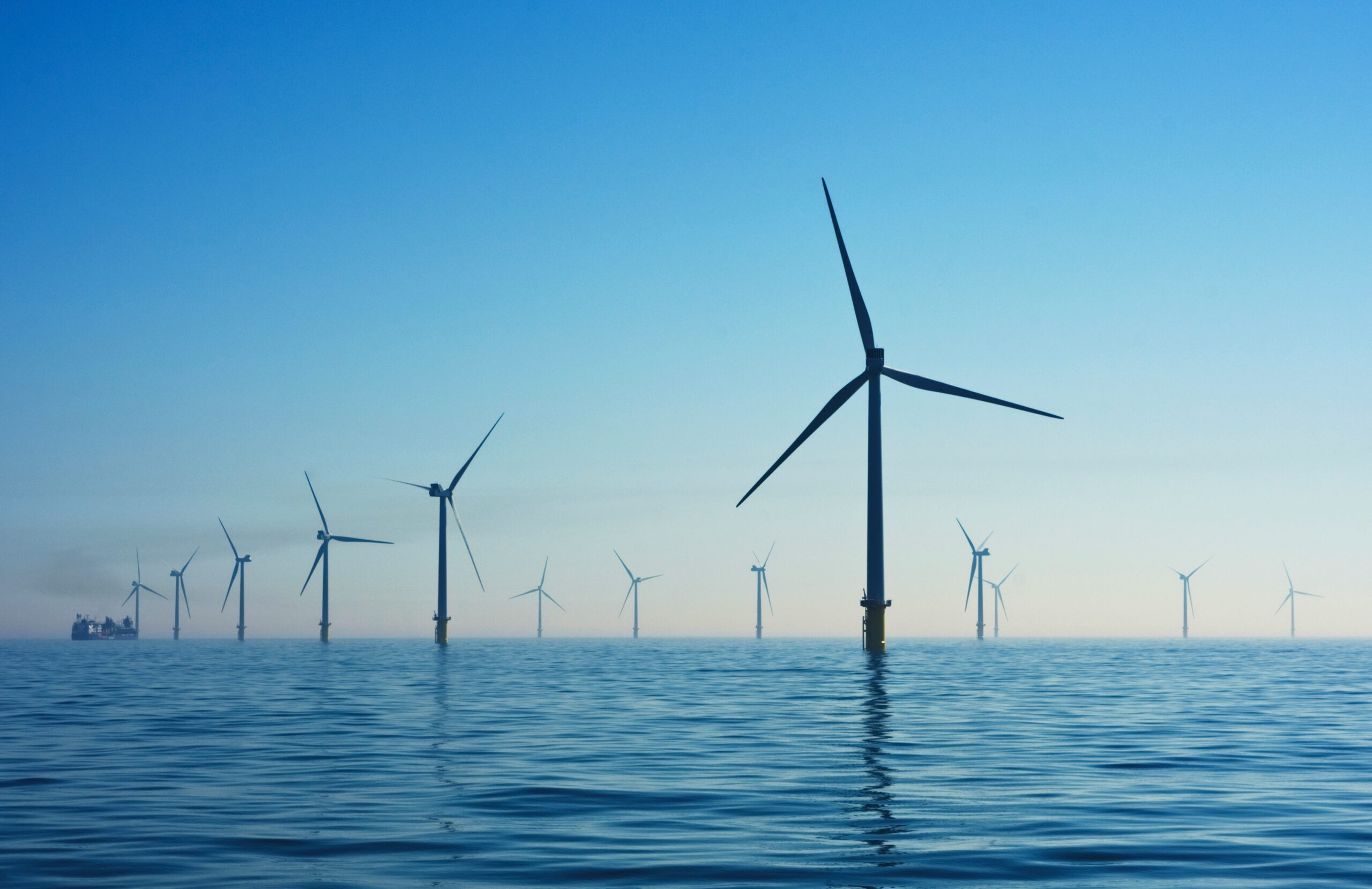
Silence invites defeat. Strategic, disciplined communication builds strength and shapes narratives. The wind industry should adopt a stronger posture—their survival may depend on it.

Edwin Luevanos is a climate entrepreneur focused on accelerating clean energy adoption in low-income and disadvantaged communities across the U.S.
Chris Moyer, founder and president of Echo Communications Advisors, was interviewed by Laura Thorne and Nic Frederick on the Environmental Professionals Radio podcast.

In this episode of How to Protect the Ocean, Andrew Lewin speak with Chris Moyer, founder of Echo Communication Advisors, about the turbulent shifts in federal policy—especially during the Trump and Biden administrations, and how these shifts have disrupted progress in renewable energy.

Chris Moyer of Echo Communications Advisors and Clinton Britt of Grove Climate Group hosted a live 45-minute Zoom Q&A tailored for clean energy advocates, companies, and policy professionals.
In this episode of the Energy Transition Solutions Podcast, host Joe Batir speaks with Chris Moyer, founder and president of Echo Communications Advisors, about the critical role of communication in energy policy. They discuss the importance of effective messaging in the context of the Inflation Reduction Act and the growing demand for energy.
Facts alone won’t save the IRA tax credits. Political pressure might—but too many are still hesitant to apply it.
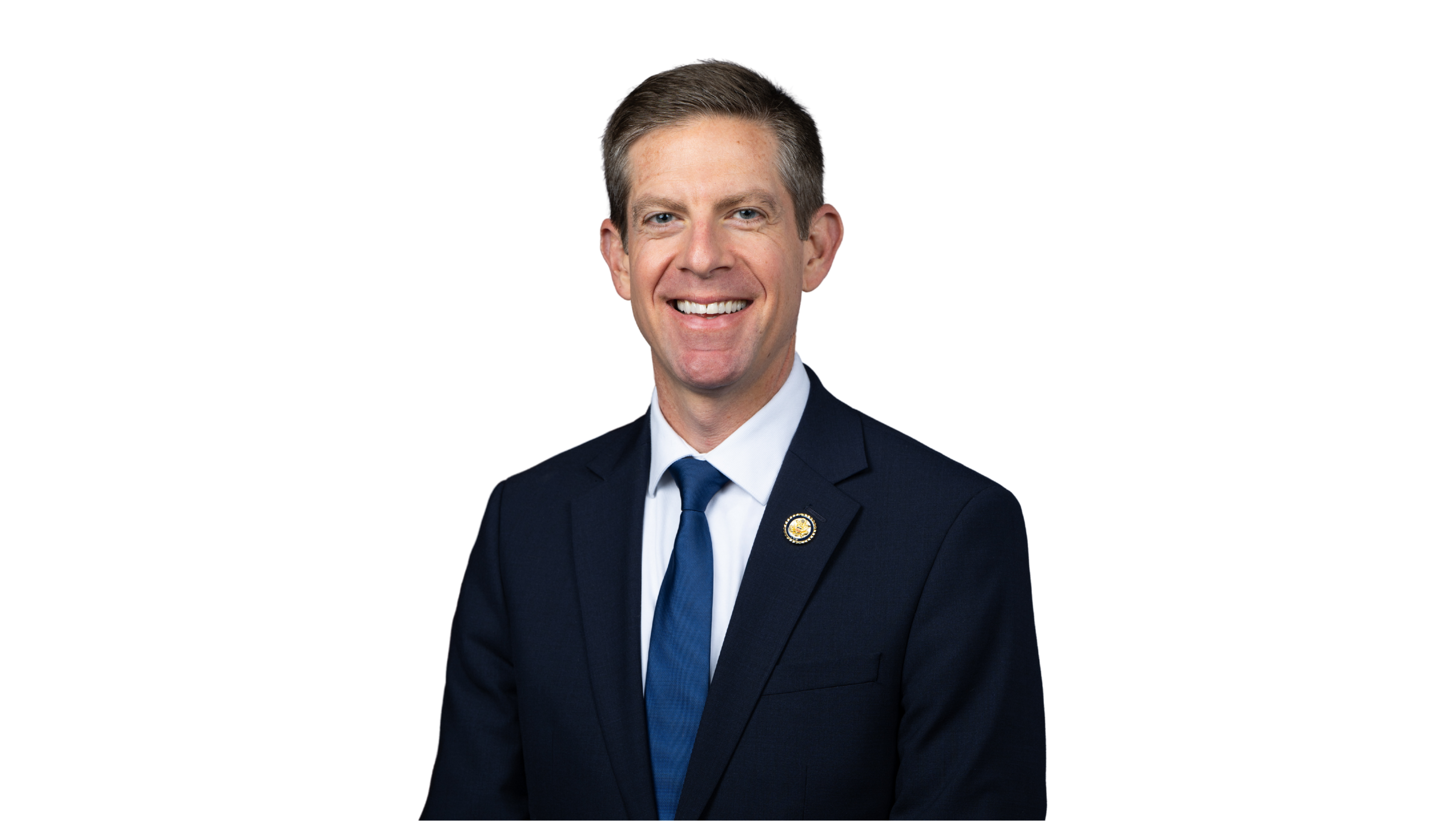
As a Member of Congress, some of Rep. Levin's top priorities are combating climate change, protecting our natural resources, and capitalizing on the economic benefits of a sustainable energy future.
These letters were “reassuring to a lot of folks in clean energy and climate communities,” Chris Moyer, the founder of Echo Communications and a former staffer for longtime Senate Majority Leader Harry Reid, told me.
“For many in the industry, it’s their first up-close experience with the strong tide for partisan politics that prevents party divisions on major votes like this one."
"This is a real wake-up call for the clean energy industry," said Chris Moyer, a former staffer for Sen. Cory Booker and former Senate Majority Leader Harry Reid.

he clean energy industry woke up to a “holy shit moment,” watching Republicans who had previously signaled support for the credits agreeing to gut them.
Here are three reasons why these members were never going to vote against this bill—no matter how destructive its tax credit provisions became.

Republicans who opt to vote against President Donald Trump’s top legislative priority risk the wrath of the president and as well as potential primary challenges, said Chris Moyer, a former Democratic Senate staffer.
The clean energy industry, which has been buoyed with hope for months by nearly two dozen House Republicans who have urged the preservation of IRA tax credits, is about to feel firsthand the force of partisan politics. In a matter of days, it’s almost certain that nearly every one of those letter-signers will vote to gut the credits they have said they valued so dearly.

That’s why Caroline Spears started Climate Cabinet: to help pro-climate candidates win overlooked races that carry big climate stakes.

Echo Communications Advisors is excited to partner with Canary Media as they bring their live event series to Washington, D.C. on June 4th at the National Press Club.
“This is the first concrete act of this Congress to attempt to dismantle these tax credits, and a lot of folks in the industry were hoping for a better starting point."
“Congress’ first concrete move to dismantle the IRA’s clean energy tax credits makes one thing clear: The two dozen or so House Republicans who have championed these credits still have work to do,"

Echo Founder and President Chris Moyer Named One of Washington’s 500 Most Influential People

Republican U.S. lawmakers sent a letter to the head of the House Ways and Means Committee on Thursday voicing their support for tax credits boosted in former President Joe Biden’s Inflation Reduction Act, legislation for which no Republicans voted.

Today we’re featuring Steph Speirs, clean energy entrepreneur, strategic advisor, board member, and public speaker.

Today we’re featuring David Schutt executive director of the U.S. House Sustainable Energy and Environment Coalition (SEEC).

Today we’re featuring Eva Hernandez, executive director of Mosaic
Counting on all four of these senators to vote against reconciliation legislation solely because of clean energy tax credits is likely to end in disappointment.

Used wisely, press releases remain a crucial tool in your public relations tool box.
Anyone with a stake in preserving IRA clean energy tax credits needs to do more.

Today we’re featuring Bryant Jones, executive director of Geothermal Rising

Today we’re featuring Sam Evans-Brown, executive director of Clean Energy New Hampshire

Language shapes policy outcomes. Today, “energy dominance” is the phrase du jour. But to protect renewable energy policies and expand industry opportunities, messaging must be adaptive.

Today we’re featuring Matt Traldi, founder and CEO of Greenlight America, a nonprofit that mobilizes local community members to win approval for clean energy deployment.

Moyer Strategies, which was founded by Capitol Hill leadership veteran Chris Moyer in 2020, rebrands as Echo Communications Advisors.

Moyer Strategies, a communications firm founded five years ago by a Capitol Hill leadership veteran with experience in high-profile presidential, U.S. Senate, and gubernatorial campaigns, announced today its new name: Echo Communications Advisors.
“Over the past five years, we’ve grown from a one-person consultancy into a dynamic team delivering exceptional results for a growing roster of climate- and renewable energy-focused clients,” said Moyer

Despite federal climate policy setbacks, businesses and communities are stepping up to drive progress, showcasing resilience and innovation in the face of challenges.

Laura Zapata, CEO of Clearloop, shares how her company empowers businesses to tackle carbon footprints and accelerate clean energy in underinvested communities, driving both environmental and economic change.
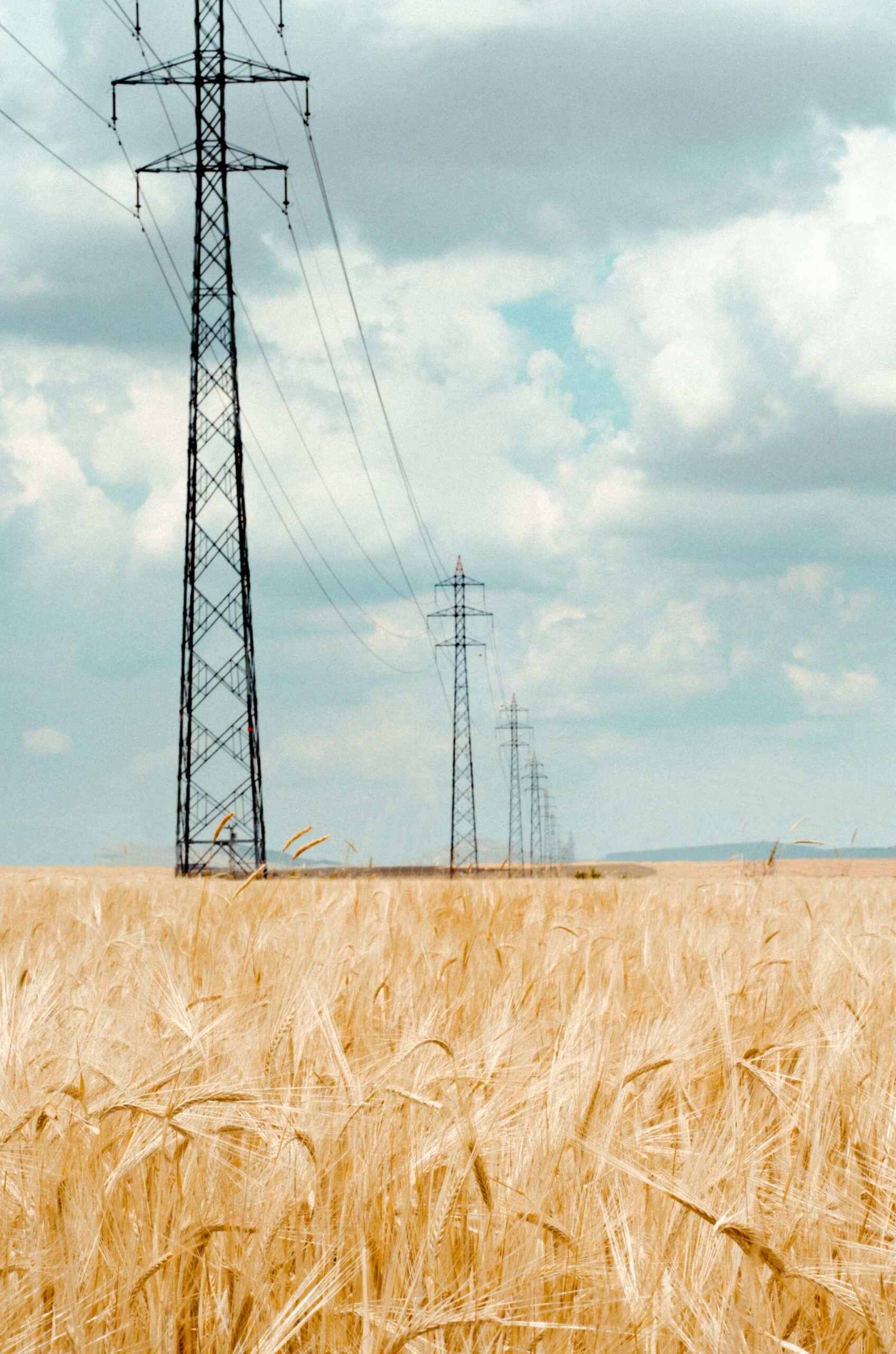
After months of debate, Congress fails to advance the Energy Permitting Reform Act. With new leadership in 2025, will permitting reform finally gain momentum, or will it remain stalled?
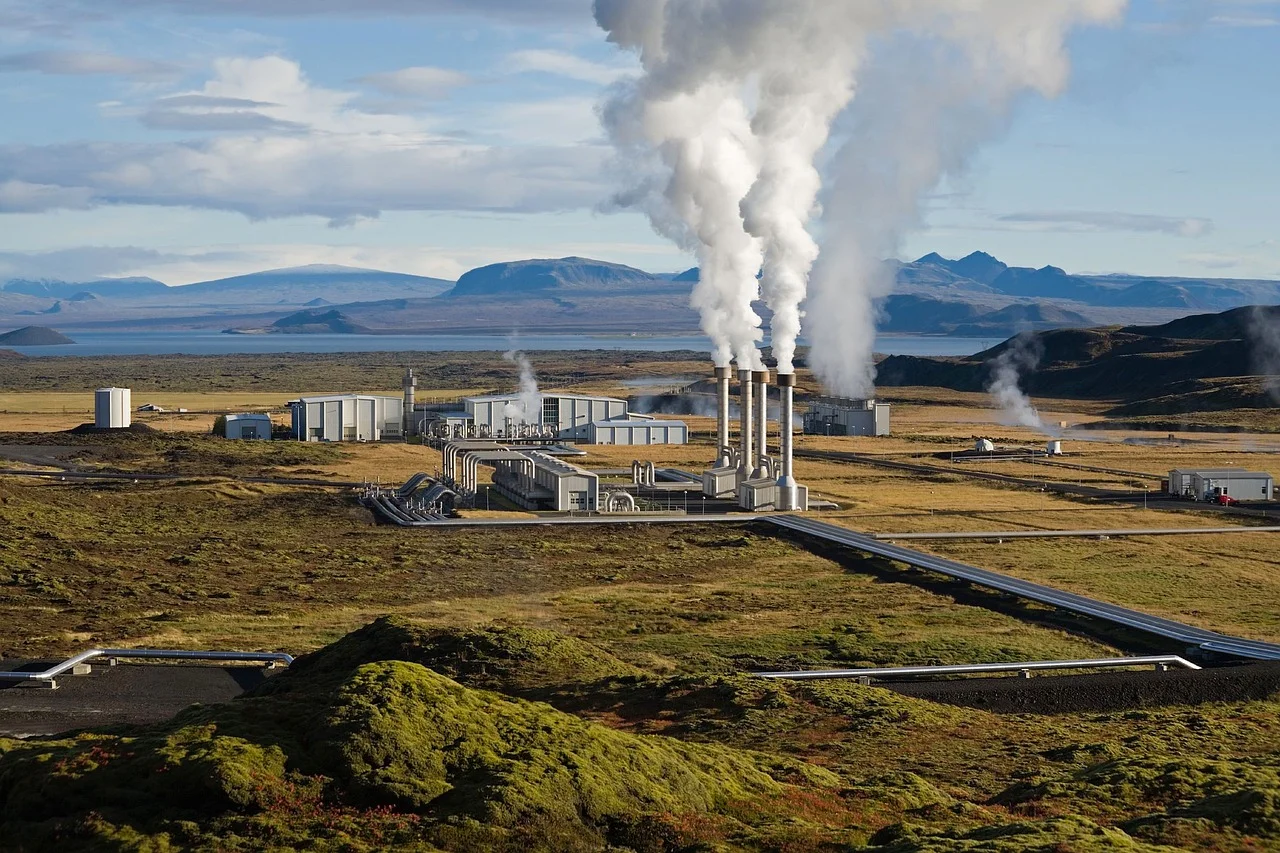
Geothermal energy, once overlooked, is gaining bipartisan support thanks to new technologies and promising growth. Could it become the next big renewable energy breakthrough in the U.S.?
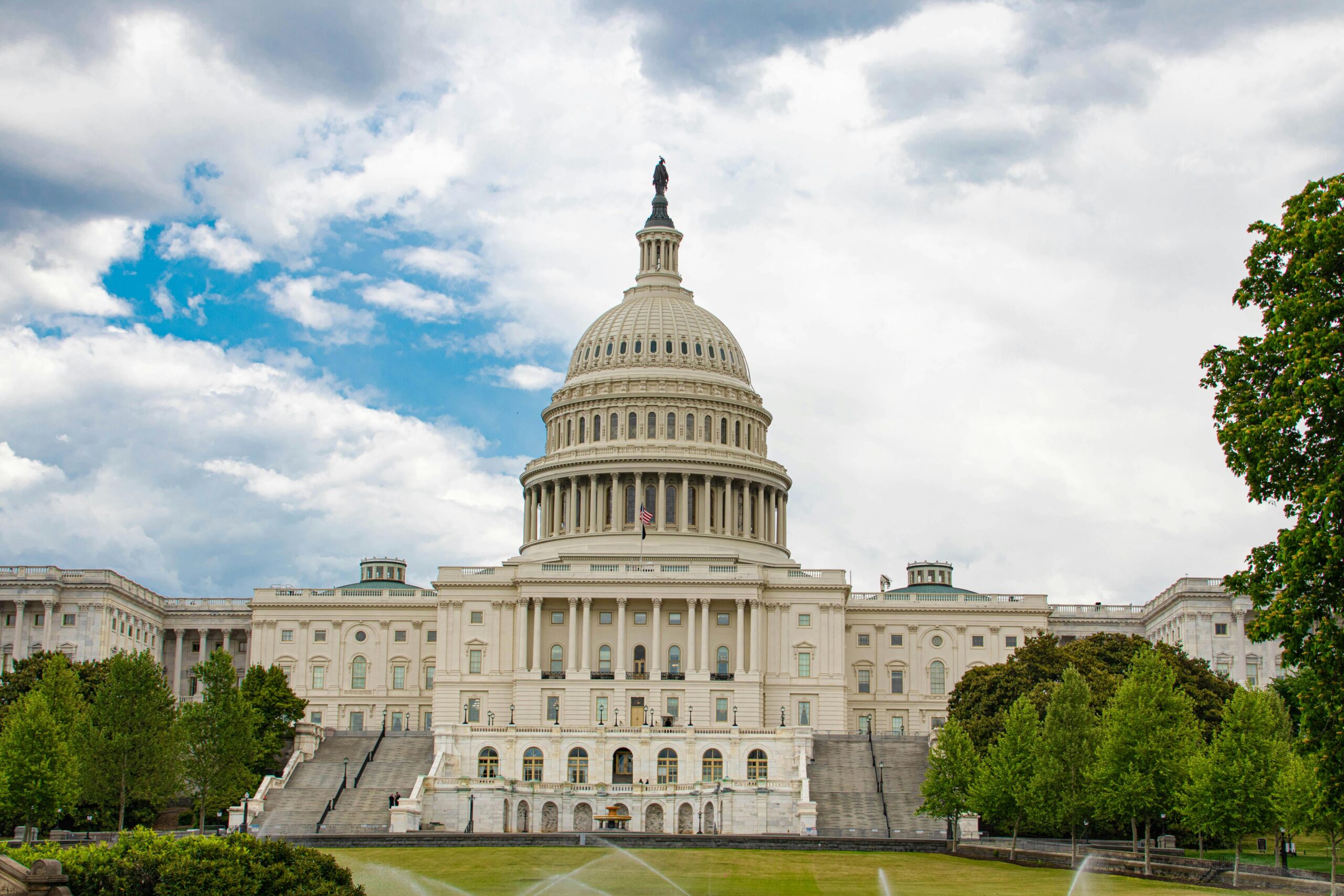
The incoming U.S. Senate brings diverse views on climate and clean energy. Here’s where key senators-elect stand on tackling the climate crisis ahead of 2025.
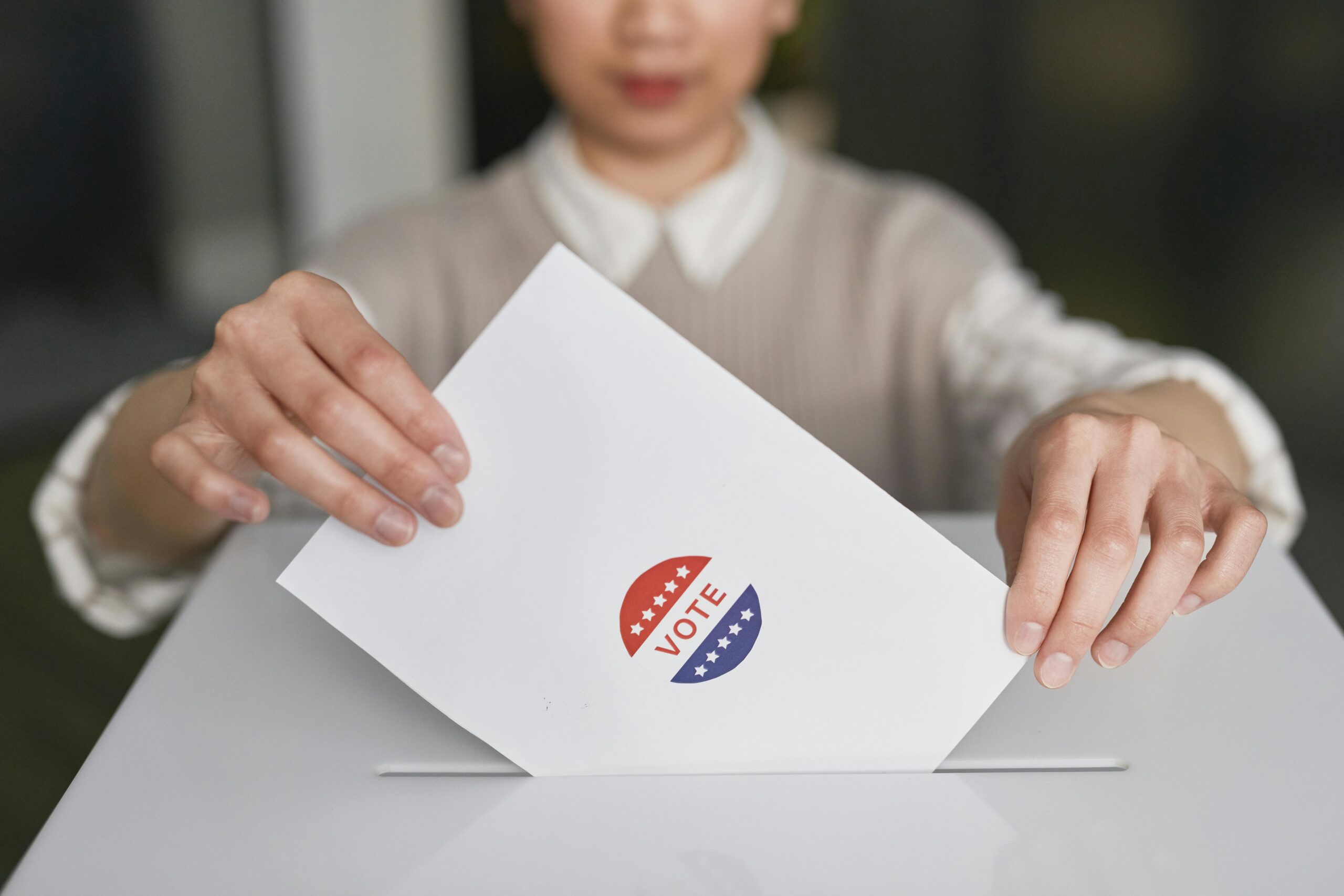
While the election results were surprising, inflation’s impact and the future of policies like the IRA and fiscal stimulus are now front and center. The next four years will be crucial.
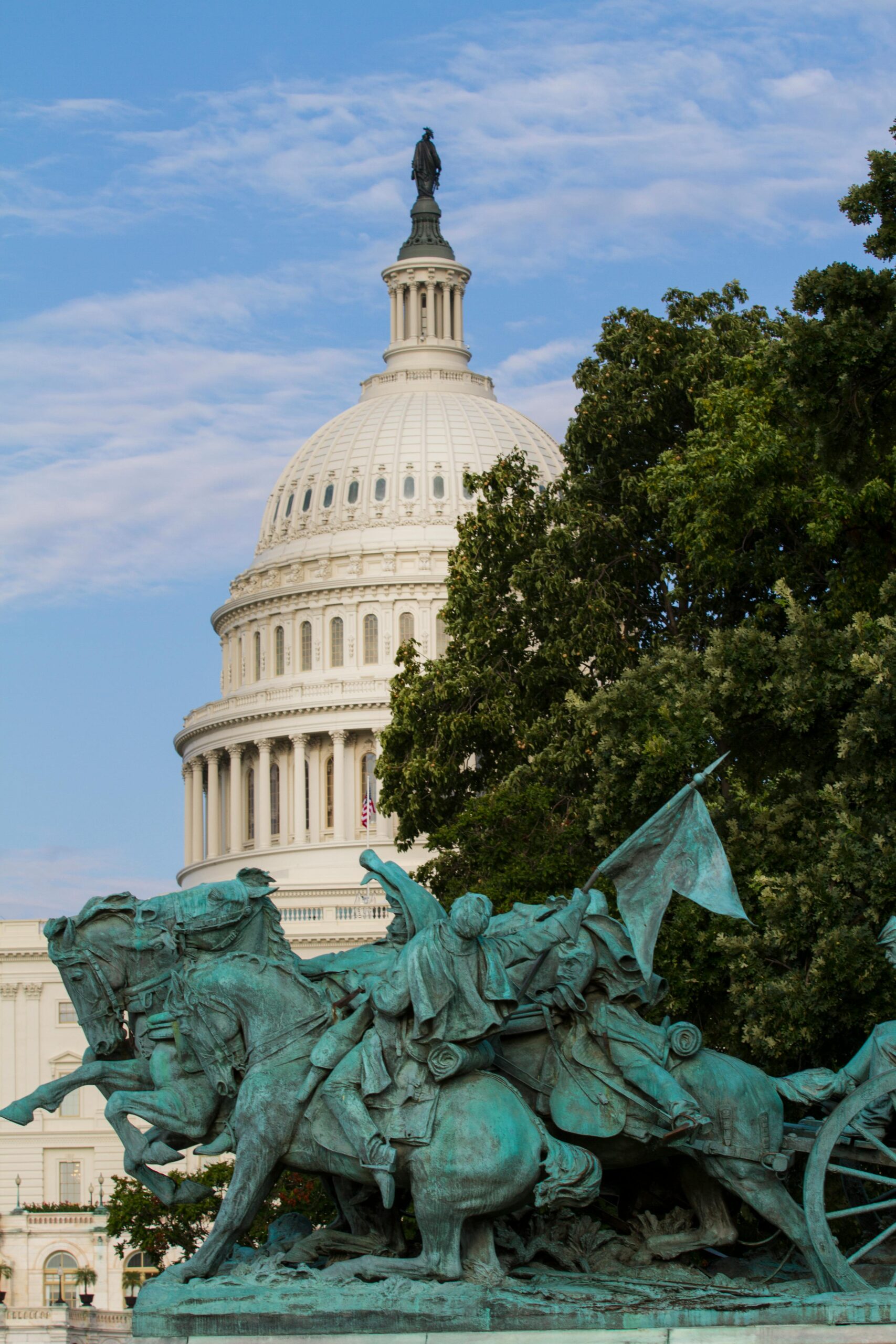
Even with a Harris victory next week, climate advocates and clean energy companies should be prepared to protect provisions of the IRA and BIL through targeted outreach.
Chris Moyer reflects on his time with Senator Harry Reid, sharing personal stories from the campaign trail and lessons on family, love, and leadership. A tribute to a life well-lived.