Ella Nilsen
Vice President
For many years, I opened my monthly utility bills without flinching. These days, that’s a distant memory.
For the eight years I lived in Washington DC, I glanced at my monthly electric and gas bills, more out of curiosity than necessity. My gas use went up in the chillier winter months and my electricity spiked during the city’s sweltering summers as central AC mercifully kept my apartment cool, but most of the time my bills hovered in the double digits.
But as I left DC in summer 2025 to finally move back to my native New England, my last Pepco bill made my eyes bulge. It was double the previous month’s bill, far more than I had ever paid.
High Energy Bills Are Reshaping Elections
I clearly was not the only one shocked by the number in front of me. Energy now drives overall U.S. inflation, with energy costs rising nearly 15% in the last year, according to the federal government’s Consumer Price Index. As the utility-focused nonprofit PowerLines has documented, residential electricity bills have risen a shocking 40% since 2021, while residential gas bills have jumped 40% since 2019.
By last fall, energy affordability was dominating conversation in every corner of the country, as data centers’ insatiable power demand and the utilities’ costly replacements of aging infrastructure collided with angry customers. High bills defined the 2025 New Jersey and Virginia gubernatorial races, as well as an under-the-radar but equally important race for two spots on the Georgia Public Service Commission.
When I was still a reporter at CNN, my peers at other outlets and I jumped on the story, talking to utilities, energy experts and everyday people about a trend that was suddenly unavoidable and everywhere, including my own home.
Red & Blue States Alike Struggle With High Bills
I’m a New Hampshire native, and I’d long wanted to move back to New England. Despite many people grousing about the winters here, I maintain it’s the best region in the country (The mountains! The lakes! The ocean! The seafood!). I also think winter is more enjoyable when you can spend your days outside in it.
But what New England offers in abundant outdoor recreation, it lacks in affordable energy. The furthest northeast point of the country marks the last stop on our nation’s sprawling network of natural gas pipelines. Natural gas makes up half of New England’s power generation mix, so the region suffers from the double-whammy of high heating and electric bills when natural gas prices rise, especially when we all demand that energy at once amidst persistent cold snaps and endless nor’easters.
Our region is pursuing more land-based wind and solar projects, but the terrain is small, cramped and mountainous. On the other hand, New England boasts such strong winds and plentiful coastal waters that we were once dubbed “the Saudi Arabia of offshore wind.” But a president who detests turbines has made capturing this abundant energy source nearly impossible.
Regardless of the resources available to them, red and blue states alike are struggling with rising energy costs. Residents of fossil fuel-dependent states like West Virginia, which relies almost exclusively on coal to generate its electricity, have also seen their bills skyrocket.
In 2021, I interviewed a Charleston resident named Felisha Chase whose monthly electricity bill was higher than her mortgage. Things haven’t improved for residents like Chase; the Associated Press wrote this year about a West Virginia resident who had to take out loans to try to pay monthly electric bills regularly topping $900.
In California, the high price of replacing electrical infrastructure destroyed by wildfires has sent rates climbing faster than almost any other state. The issue looms large in the Golden State’s gubernatorial race.
Paying More for Less
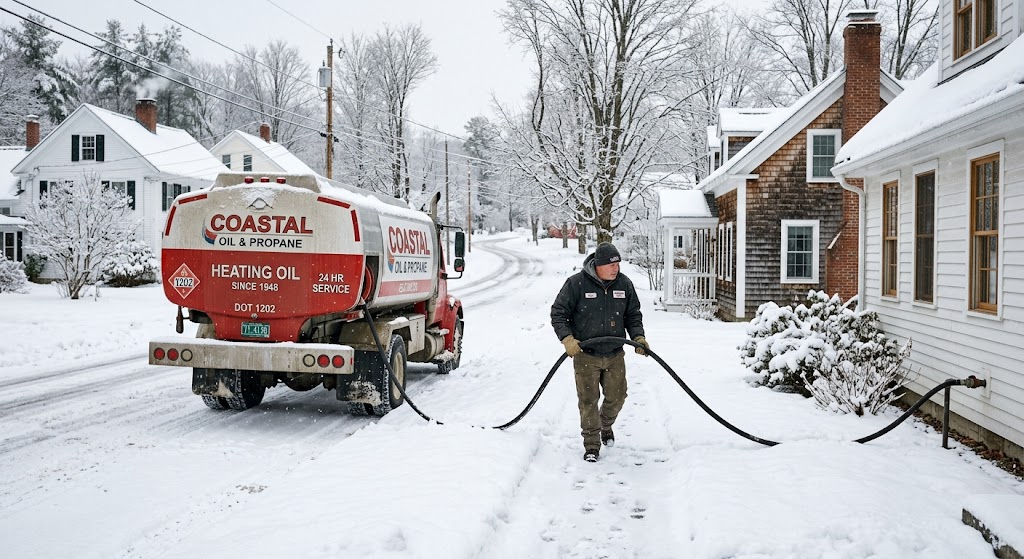
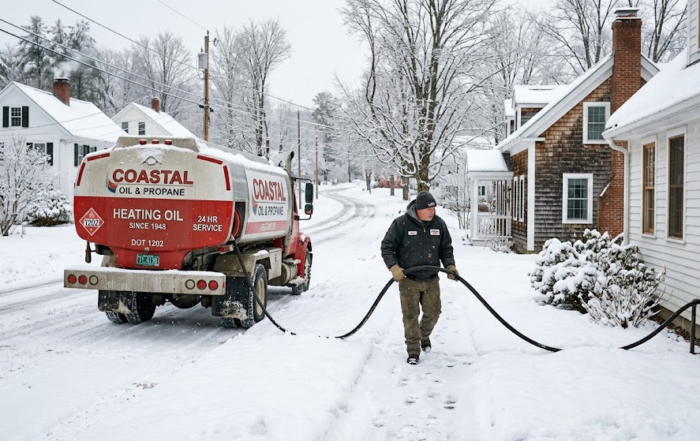
As autumn’s crisp air settles into New England, I’m dreading my winter heating costs. I’m still a renter, so, albeit not by choice, I’m among the tiny sliver of U.S. residents who still heat with oil (the vast majority of us are in New England). President Trump’s war in Iran will easily double my winter heating bill. I’m paying a wartime premium to burn dinosaurs in my basement all winter long. It’s easier than ever to draw a straight line from the United States and Iran trading attacks in the Strait of Hormuz to a hit on consumers’ wallets; AAA reported that gasoline prices averaged $4.14 over Labor Day weekend.
Renters have fewer options to shave down these costs. We don’t own our rooftops and we lack options for generating solar power (although a small number of states are carving out exceptions for renters to use balcony solar). Few options exist for at-home electric vehicle charging, unless you feel like fighting for limited on-street charging spots.
When I was still a reporter, I talked to a lot of people who fumed over their high bills, despite trying to use as little energy as possible to stay comfortable in their homes. I identify deeply with that, trying to climate-control my own (fairly small) apartment in summer by dragging an oscillating fan from room to room like it’s my security blanket. In winter, boosting the thermostat an extra degree is always a negotiation, and I basically wear a hot water bottle tucked into layers of sweaters at all times.
That gets to the point of why affordability has become such a salient political issue. Americans are paying far more for less. Simply put, it feels like someone’s scamming you.
My general crankiness about my own costs has not diminished my overall love for my home region. But it has gotten me thinking about what kind of future I want here. If I’m lucky enough to own a house… someday, hopefully… I want a small, well-insulated home that generates and stores its own power while withstanding storms and outages. And yes, I’d like all of this without eye-popping monthly bills.
Is that too much to ask?
P.S. So many of us are rethinking our relationship with energy, and the landscape is shifting quickly. It could create new industries and swing elections. Although I left CNN this summer, I’m excited to continue writing about these issues frequently. Forward this to someone else complaining about their bill. And if you have a story about high energy costs, or ideas on how we can solve them, reply to this newsletter.
Check out our recent insights and conversations:

Permitting Reform Is Alive (Maybe?), the U.S. Senate’s in Play and Other Picked-Up Pieces
I Reported on Rising Energy Bills for CNN. Then it Hit Home

The Growing Political Clout of Martin Heinrich
Where energy and politics collide
Chris, Ella and Dan dig into the bare-knuckle politics shaping clean energy. New episodes every other Thursday.