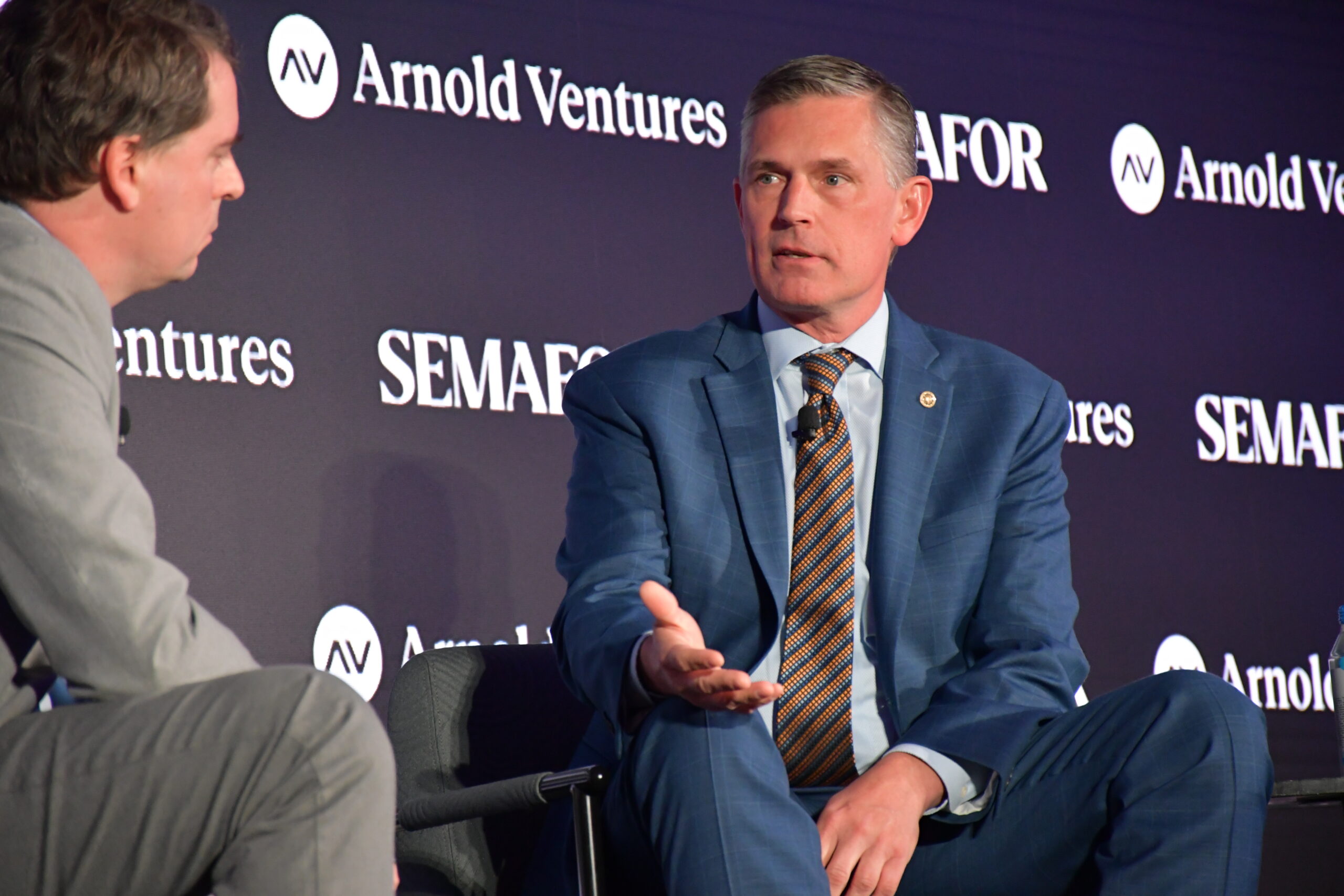
Chris Moyer
Founder & President
Martin Heinrich is about to wield an immense amount of power. The senior senator from New Mexico already holds serious sway over federal energy policy as Democrats’ leader on the Senate’s energy committee and the next in line to be chairman should they flip the chamber. But what shouldn’t be overlooked, especially by the energy industry, is Democrats’ decision to elevate New Mexico to national political prominence in the 2028 presidential race, which sets up Heinrich to expand his power further for years to come.
This summer, the Democratic National Committee voted to make New Mexico the fourth state to vote in the 2028 primary race. Instead of its typical late-June primary, New Mexico will vote in February, requiring every 2028 hopeful to establish a foothold there. The Land of Enchantment may morph into the Land of Presidential Ambition. And the candidates will covet Heinrich’s endorsement after he prevailed in three statewide races.
New Mexico’s Early State Status Will Boost Heinrich
Presidential contenders must become fluent in the issues of early voting states in order to earn support. Thanks to Iowa’s longstanding position in the primary calendar, both parties have supported pro-ethanol policies for decades. Because New Mexico is new to picking presidential nominees, most White House aspirants running in 2028 will require schooling on what matters most to New Mexicans, and a crowded field will court Heinrich. Clean energy, water scarcity, and preserving public lands are among the issues that will gain prominence on national debate stages and candidates’ social media feeds as a result. Heinrich’s home state advantage and his high rank on the Senate energy committee give him a chance to lock the next Democratic president into his preferred energy and conservation policies — and gain political capital when the legislative sausage making commences in 2029.
His perch is enviable. After toiling for a decade and a half — good old-fashioned Senate tradition — to gain seniority, he’s amassed significant sway in Washington. He’s a key negotiator in the closely watched permitting reform discussions. He united opposing parties to finally get the massive SunZia wind and transmission project across the finish line after nearly two decades of fits and starts (which epitomizes why we need federal permitting reform). He successfully fought efforts to sell off public lands in last year’s One Big Beautiful Bill Act. He leapt into the AI fray by proposing bills to protect consumers from bearing the costs of data centers’ exorbitant energy usage and to fast-track new energy projects.
Heinrich Seeks Solutions, Not Social Media Attention
As the SunZia negotiations demonstrate, Heinrich has built respect and trust from interests ranging from progressive climate hawks to the oil and gas industry. He hasn’t abandoned climate change (“I never shrink away from talking about climate. It is a reality for my constituents”), but he’s attuned to energy affordability (“I think there’s zero chance that [energy affordability] does not resonate with voters”).
Heinrich exemplifies the now quaint notion of a serious and measured legislator who wants to solve problems, standing in stark contrast to many of his colleagues in the Capitol who clamor for attention through hot takes on cable news, TikTok, and fundraising solicitations. Now, if Democrats draw to an “inside straight,” as one well-positioned Democratic Senate staffer phrased it in a recent conversation, and win a majority in November, Heinrich will assume the Energy and Natural Resources Committee chairmanship and assert even greater influence over U.S. energy policy.
By the start of next year, Heinrich could be the best positioned legislator on the Hill to shape federal energy policy. Two years later, when a new president is inaugurated, his clout could grow to its highest when the first opportunity in four years to advance pro-clean energy policy finally manifests.
Check out our recent insights and conversations:

Permitting Reform Is Alive (Maybe?), the U.S. Senate’s in Play and Other Picked-Up Pieces
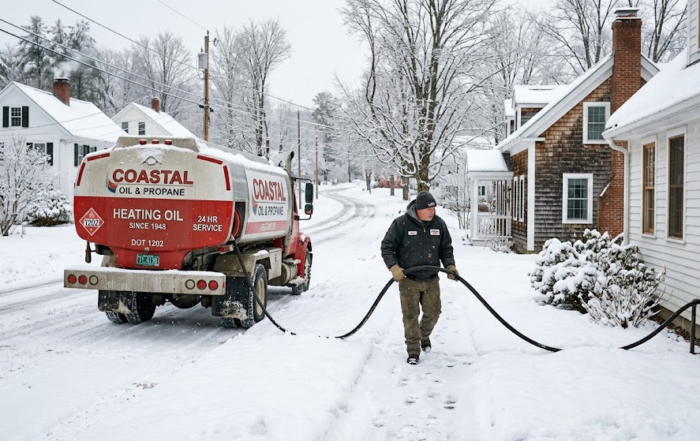
I Reported on Rising Energy Bills for CNN. Then it Hit Home
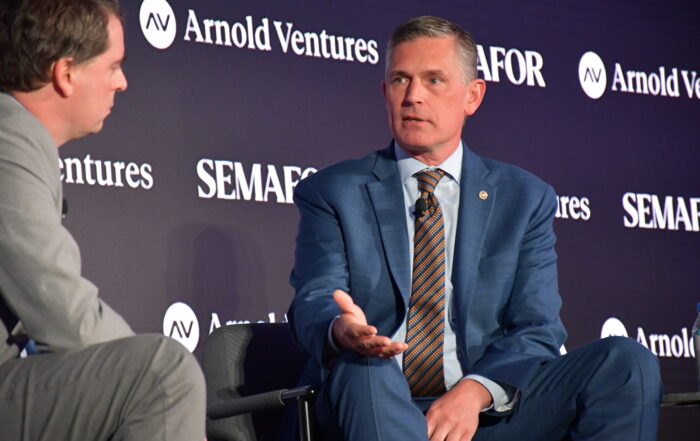
The Growing Political Clout of Martin Heinrich
Sign up for our newsletter
Receive updates on our work, industry news, and more.