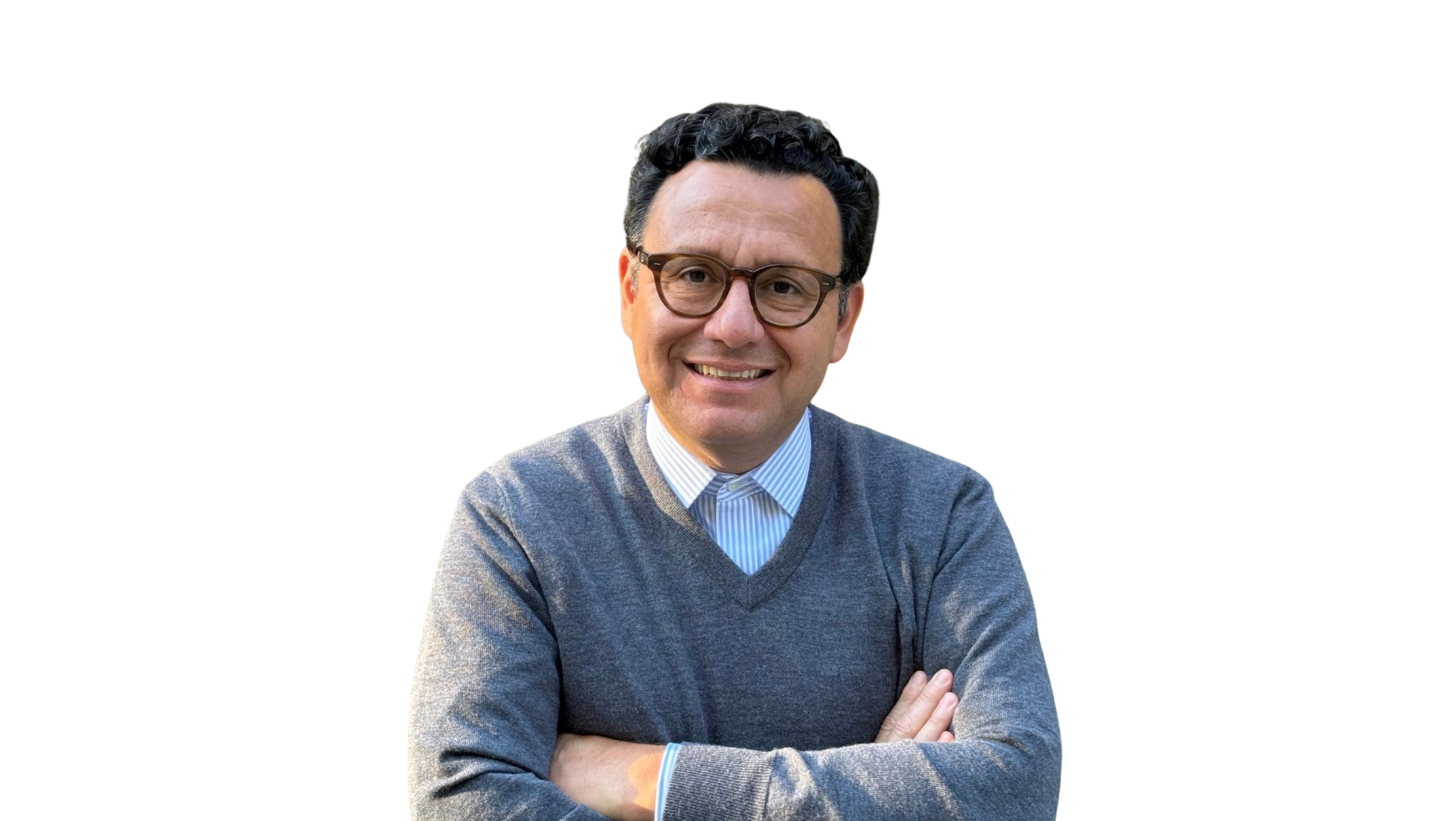

Morgan Caplan
Senior Communications Manager
Oswaldo Acosta, CEO of City First Enterprises, reflects on how climate finance is entering a new phase—one defined less by abundant federal resources to a leaner, more disciplined market, built for efficiency, and long-term resilience. Drawing on more than a decade in community lending, Acosta explains why this moment requires CDFIs and green lenders to rethink how they grow, deploy capital, and lead through uncertainty.
What kind of projects does City First Enterprises finance?
“A typical transaction for us is an affordable housing structure with 200 to 250 residents that needs a million dollars to either retrofit their existing infrastructure or they need to put solar on the rooftop… In the long term, that investment will translate into savings.”
How has the climate finance landscape shifted?
“I think that the environment or the nature of the business has fundamentally changed, and it changed abruptly in the last 12 months. We are now at the beginning of the new normal. It’s a new super cycle for institutions like ours, and green banks, and other climate finance lenders working in the intersection of economic development and clean energy.
“The world was abundant. We had an infinite amount of resources to execute our vision to do rapid and effective and equitable transition to the green economy. It was a frenzy into executing and executing fast and being as effective as possible. Organizations, think tanks, academic departments, policymakers, and local and federal politicians, everybody was aligned more or less. In concurrence with that, we had corporate America behind the movement.
“…Corporate leaders and organizations in general, including philanthropy, grew very wary of being perceived as too close to what the CDFIs, clean energy finance, and climate finance groups were doing, and how they were reserved in their approach.
“…On the other hand, we had a microeconomic condition that changed more slowly, but it still had a significant impact on the business, which is the price of money, the liquidity in the market. And then there were other externalities around this, which was a set of local and regional incentives for clean energy projects that are no longer there. So, it is a fundamentally new environment for climate finance.”
What is the climate finance sector currently facing?
“One camp of the impact finance world is longing for the past that is gone, reluctant to accept the new reality and fighting for the reinstalment of that set of institutions, and normal, policies, and attitudes and using legal. political, and communication means to get to that place again. They believe that that’s the only path forward.
“And then there is another camp where I see myself in, which is we need to embrace the new reality. We need to adapt to a world where there are simply not enough subsidies for us to continue growing at the pace we were expecting, and we need to change the way we do business.
“And by that I mean growing into self-sustaining financial institutions. Putting emphasis on being effective in deploying the capital, being efficient in the way we manage resources, managing risk, diversifying our sources of operations, lending, and investing capital. If we do the right things now, this is going to be in retrospect, a moment of restructuring and realignment in the sector. We will have a much more disciplined way of dealing with the wave. Let’s start making the transformations that we need for 10 years from now, right now.”
Know someone who should be featured? Email us: info@echocomms.com.


Sign up for our newsletter
Receive updates on our work, industry news, and more.