Dan Crawford
Senior Vice President
I’ve joked before about going to climate events where every panel is on AI and data centers and the word “climate” never comes up, and my time at New York Climate Week was no exception. It seemed like half of the week’s events were about the opportunity to bring clean energy online to power the AI buildout. Indeed, as the Wall Street Journal reported, “Climate-tech venture investors don’t talk much these days about climate change.”
From the perspective of clean energy developers and climate tech startups, this makes perfect sense: hyperscalers want clean, firm power and are willing to pay a lot of money for it. Large loads can pay for grid upgrades and invest in tech that’s desperately needed as industry electrifies and more Americans buy EVs. But the excitement in the clean energy community is at odds with the low-and-falling opinion that Americans have of data centers, and AI more broadly. I started to worry—if clean energy goes all-in on powering AI, will that simply tarnish the industry in people’s eyes?
It seems like the answer is no—at least not yet. Opposition to data centers is bipartisan and growing, but if they’re going to be built at all, most Americans want data centers to offset their emissions or be powered by clean energy. The Yale Program on Climate Change Communication found that 74% of registered voters supported requiring data centers to “offset their electricity use by installing rooftop solar on, and weatherizing, local homes.” One survey showed that support for a local data center rose among Democrats (from 33% to 52%) and independents (from 13% to 23%) if it was powered by on-site renewable energy. Polling from Climate Power showed a similar increase. Indeed, renewable energy might be table stakes for gaining community approval for a data center—necessary, but not sufficient.
The Warning Signs That Clean Energy Can’t Ignore
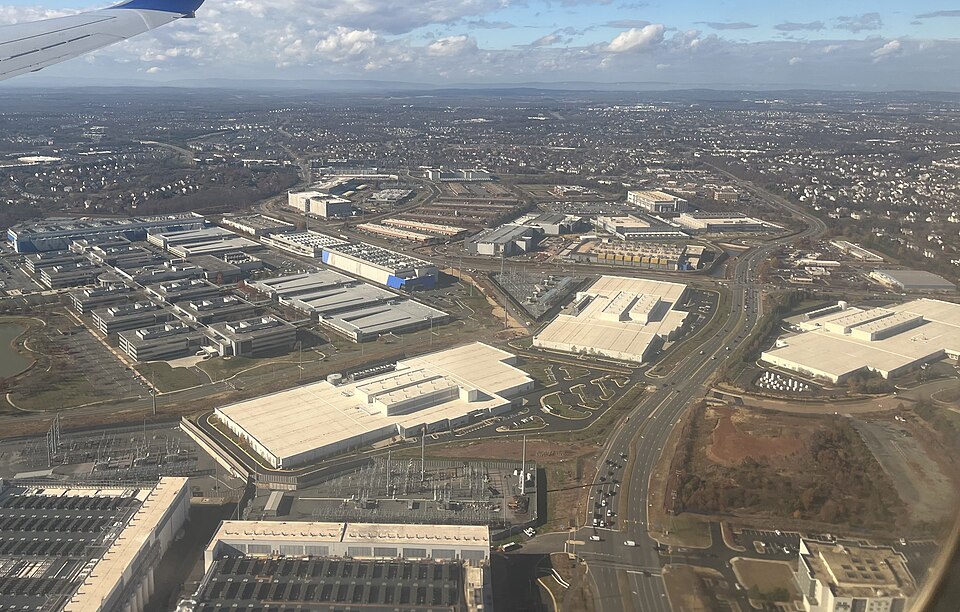
Still, warning signs for renewables abound. Look no further than the backlash against battery energy storage systems. Jurisdictions in New York, Missouri, Illinois, and across the country have passed restrictions on battery projects alongside data center moratoriums. Meanwhile, just as Congress is working to speed permitting for the transmission lines that are sorely needed to connect renewables to the grid, projects designed to bring power to data centers are meeting staunch opposition. (Incidentally, I went to a wedding last weekend in Virginia where a big topic of conversation was whether the Valley Link transmission line would threaten the wedding venue’s existence.)
To avoid these risks, it’s important that clean energy presents itself not as enabling AI but as ensuring that the data centers that are being built are built responsibly. The impacted communities should lead these conversations: making clean power, lower electric bills, and a stronger local grid a requirement for development. Look at St. Louis, Missouri, where a data center was approved only after a strong community development agreement was put in place that included a requirement that it be 100% powered by renewable sources within ten years. Or Frederick, Maryland, where a data center is paying for a community solar array. And in Virginia, Governor Abigail Spanberger announced a forward looking plan to use the AI buildout to achieve the state’s climate goals.
Powering the AI buildout is a huge market opportunity, and it makes sense for clean energy to go where the money is—especially given the likelihood that data centers are going to get built either way. But if their pitch becomes “we’re how the hyperscalers get their electrons,” they are tying their reputation to one of the least popular industries in America. For now, voters still see clean energy as part of the solution. Let’s make sure it stays that way.
Check out our recent insights and conversations:

Permitting Reform Is Alive (Maybe?), the U.S. Senate’s in Play and Other Picked-Up Pieces
I Reported on Rising Energy Bills for CNN. Then it Hit Home

The Growing Political Clout of Martin Heinrich
Sign up for our newsletter
Receive updates on our work, industry news, and more.