
We spoke with Congressman Scott Peters about why the U.S. is falling behind on transmission, how environmental trade-offs are necessary to get clean energy built, and the messaging that resonates with voters in frontline districts.
Old online posts can spark big PR headaches. Three key lessons for leaders on preparing, responding, and managing a communications crisis.

Congressman Sean Casten (D-IL) joined us in the Echo Chamber to share his take on energy policy, permitting reform, market-driven climate solutions, and a surprising high school story.

Katie Porter’s viral interview is blowing up for all the wrong reasons. Here’s what every candidate—or anyone doing interviews—can learn from her mistakes.

Should we even call it “Climate Week” anymore? As Trump’s power grows, Democrats and green groups face a stark choice: stick to old climate rhetoric or adapt messaging to win elections. Chris Moyer argues that framing clean energy around affordability—not existential alarm—is the only way forward.

Morgan and Dan reflect on Climate Week in NYC, sharing key insights on AI, geothermal energy, and the role of communication in driving the clean energy transition.

Our team is heading to Climate Week NYC to explore how storytelling, finance, and communications can drive climate solutions and scale impact.

This episode underscores how aggressive messaging can sway decisionmakers on consequential, multi-billion-dollar issues. A sharp communications strategy can help to deliver outcomes few expect. That has certainly been true for Zeldin. Many assumed he was simply posturing for his boss, with little chance of influencing the courts.

So it’s no surprise that energy prices are shaping up to be a major factor in the coming elections.
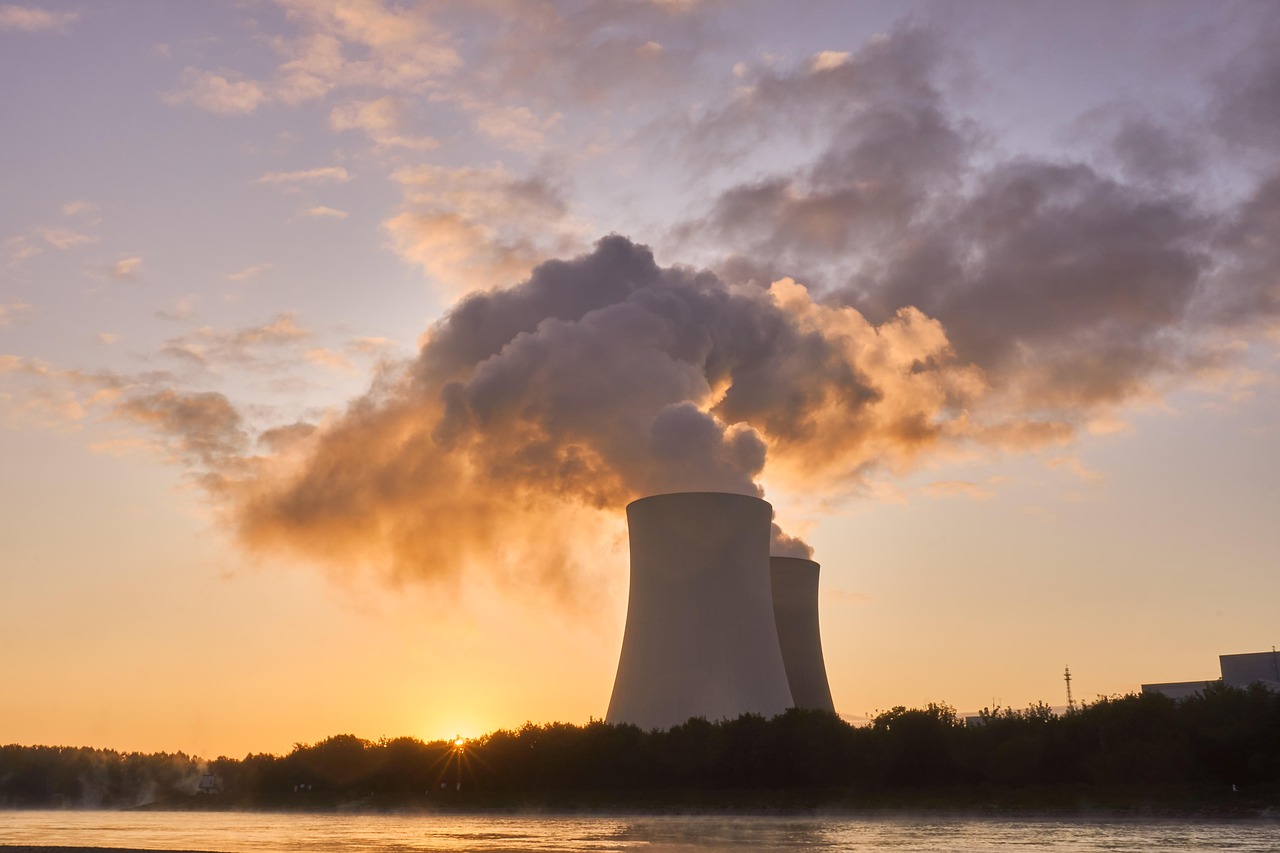
The U.S. nuclear comeback faces a major hurdle: nearly 100,000 tons of spent fuel and no permanent storage solution, as political opposition blocks waste sites.