
Chris Moyer
Founder and President
By Chris Moyer
What a difference a year makes.
Twelve months ago, as Trump retook office and began his scorched-earth assault on clean energy, the industry was quick to adopt the president’s language around energy dominance.
“As we look forward to building greater American energy dominance, the solar and storage industries stand at the ready to further expand clean, reliable domestic energy production,” wrote solar and storage companies to members of Congress. “We stand ready to work with you to implement President Trump’s bold energy dominance agenda,” exclaimed hydrogen companies. “Transmission is the key to American energy dominance,” asserted an advocacy organization seeking a cleaner grid.
Clearly this was insufficient to change the course of policy. Since the 2025 elections, the clean energy industry has hit on a much more resonant message—we can’t stop talking about energy affordability. This language was absent from our collective lexicon, save for a select few prescient voices, until after the administration had made its biggest moves and the legislative fight had ended.
More important than the message, though, we’ve realized the messengers matter. A lot. We thought we had some of the right messengers last year—workers from districts with GOP members of Congress, company executives who could speak business-minded legislators’ language, and local and state elected officials from conservative areas who backed specific tax credits. But in a world where the only thing that matters to Republican office holders is a primary contest, showing that MAGA supported these policies would have been more effective.
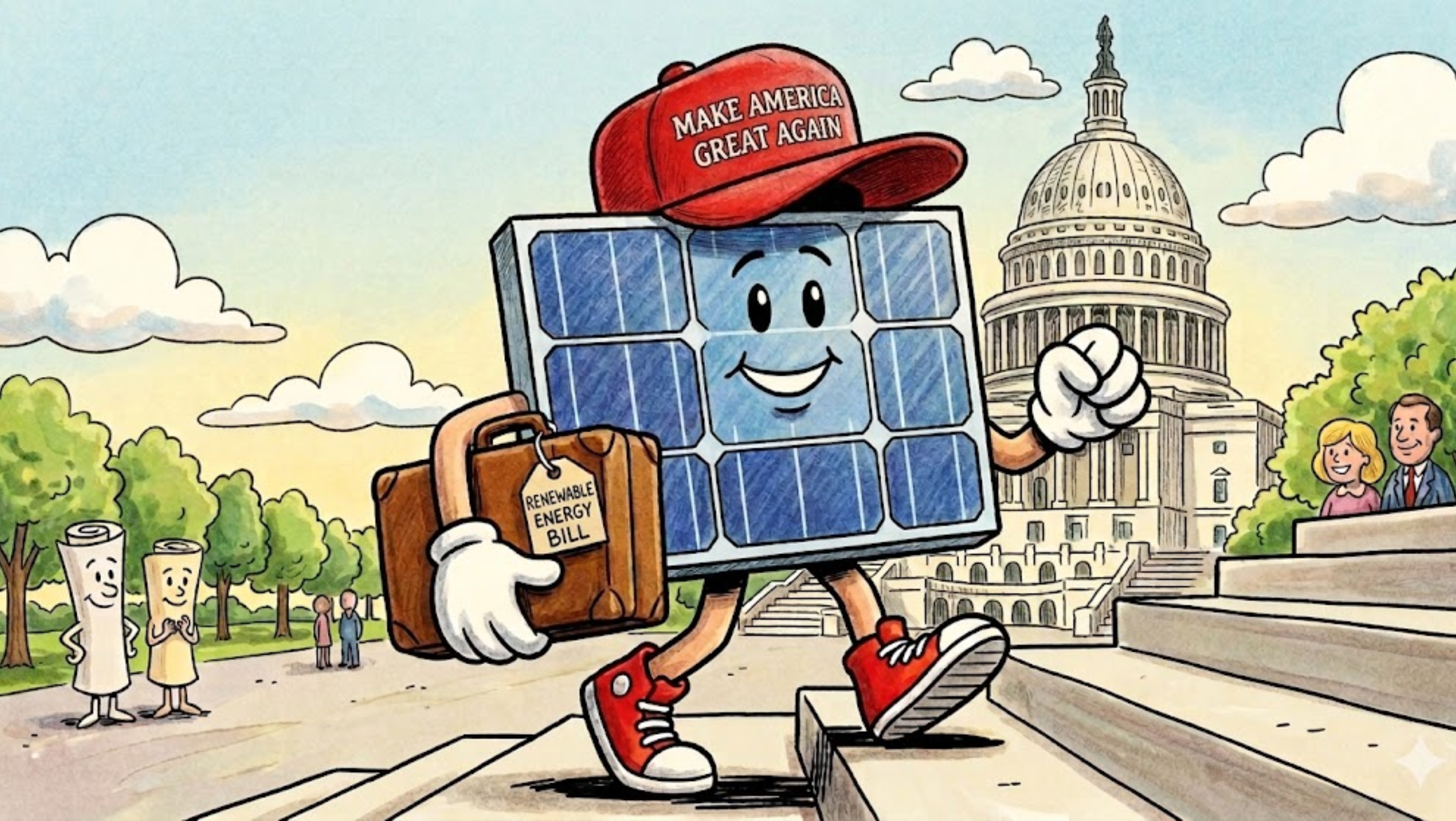
So I was glad to see Politico reporting on a “confidential strategy memo” outlining a plan to “MAGA-fy solar power” by the American Clean Power Association (ACP). As part of this effort ACP launched American Energy First—a self-described “coalition of companies and groups”—to engage conservative influencers and voices in promoting solar energy.
Before this memo came to light, a flurry of surprising social media posts and announcements had taken much of the clean energy industry by surprise. First it was Katie Miller, a former Trump administration official, posting pro-solar messages on X. This made some sense: Miller previously worked for Elon Musk at Tesla, and Tesla maintains a seat on the Solar Energy Industries Association (SEIA) board of directors.
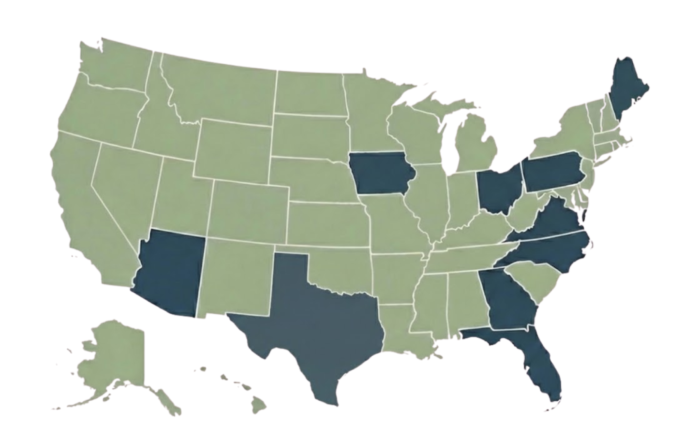
Then, on behalf of American Energy First, Kellyanne Conway conducted a poll of Trump voters across several states the president won in 2024, showing majority support for solar energy. She also then appeared at the American Council on Renewable Energy’s policy conference as the keynote speaker. Further, a poll commissioned by First Solar with Trump’s 2024 pollster Tony Fabrizio showed similar support among MAGA voters as the Conway poll.
And there’s more to come. Just this week, the right-leaning Washington Examiner published an op-ed from Mark Fleming, president and CEO of Conservatives for Clean Energy, with the headline, “Red states are winning with solar — Washington should catch up.” It was promptly shared on X by SEIA and others.
These moves show that the clean energy industry, or at least some subset of its leadership in Washington, is becoming savvier. Indeed, we’ve come a long way from the head of a major clean energy trade group saying after the One Big Beautiful Bill Act (OBBBA) passed that, “The politics will adjust…The facts are just gonna reveal themselves.”
As someone who’s advocated for a more aggressive and savvier communications approach to building the industry’s power to meet the realities of our political environment, I’ve been heartened to see these signs of progress.
In a recent podcast interview, Abby Hopper, the recently departed SEIA boss, said, “We cannot keep doing things the way we’ve always done them because we’re not in the same place we’ve always been.”
She’s right, of course, given how much things have shifted since January 20, 2025. It’s true that SEIA and other trade associations faced insurmountable headwinds in the fight over the OBBBA. But after a stinging defeat that hopefully opened the eyes of some industry executives to how power is built, it should be clear that the previous approach did not work. Industry leaders have realized that when it comes to messaging, who your messenger is—and how forcefully they’re delivering your message— matters just as much as what they’re saying.
If the industry can continue to adapt to the realities of how effective communication intersects with both culture and politics in 2026, it will better position itself to achieve bigger policy and regulatory wins—and stop crushing defeats—in the years ahead. While we don’t have to match oil and gas companies dollar-for-dollar, it will also require more resources and smart political engagement. We need a more creative and aggressive, industry-driven communications war room to promote clean energy and push back against anyone who utters nonsense. We cannot let misinformation go unchecked, whether it’s a YouTube influencer or the President of the United States. If the developments of the last month are an indication of things to come, we are on the verge of a new era of building clean energy’s influence and power.
Check out our recent insights and conversations:

Sign up for our newsletter
Receive updates on our work, industry news, and more.